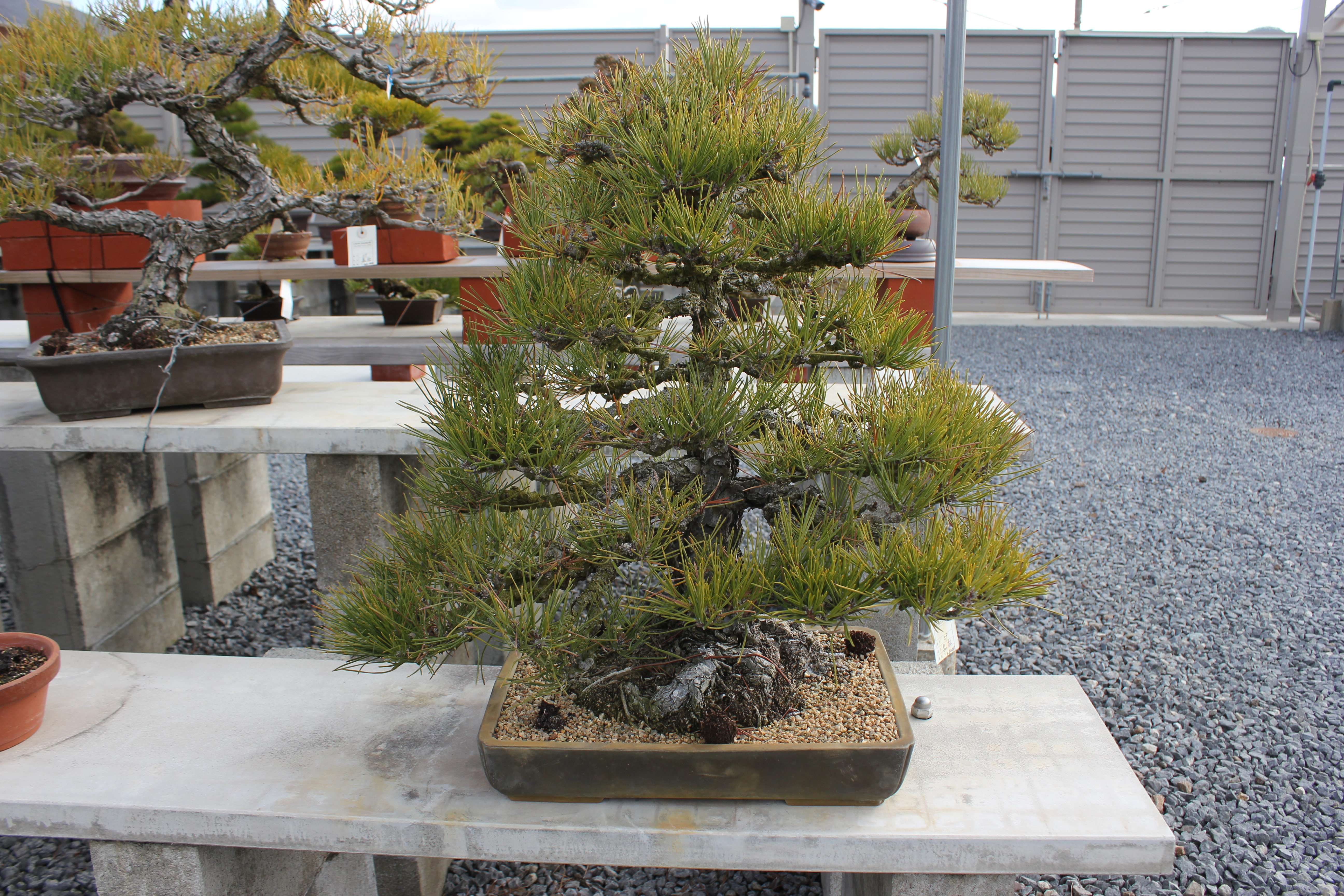
Welcome to Kagawa — the Holy Land of Bonsai
Kurokawa
Attractive Trip in Kagawa
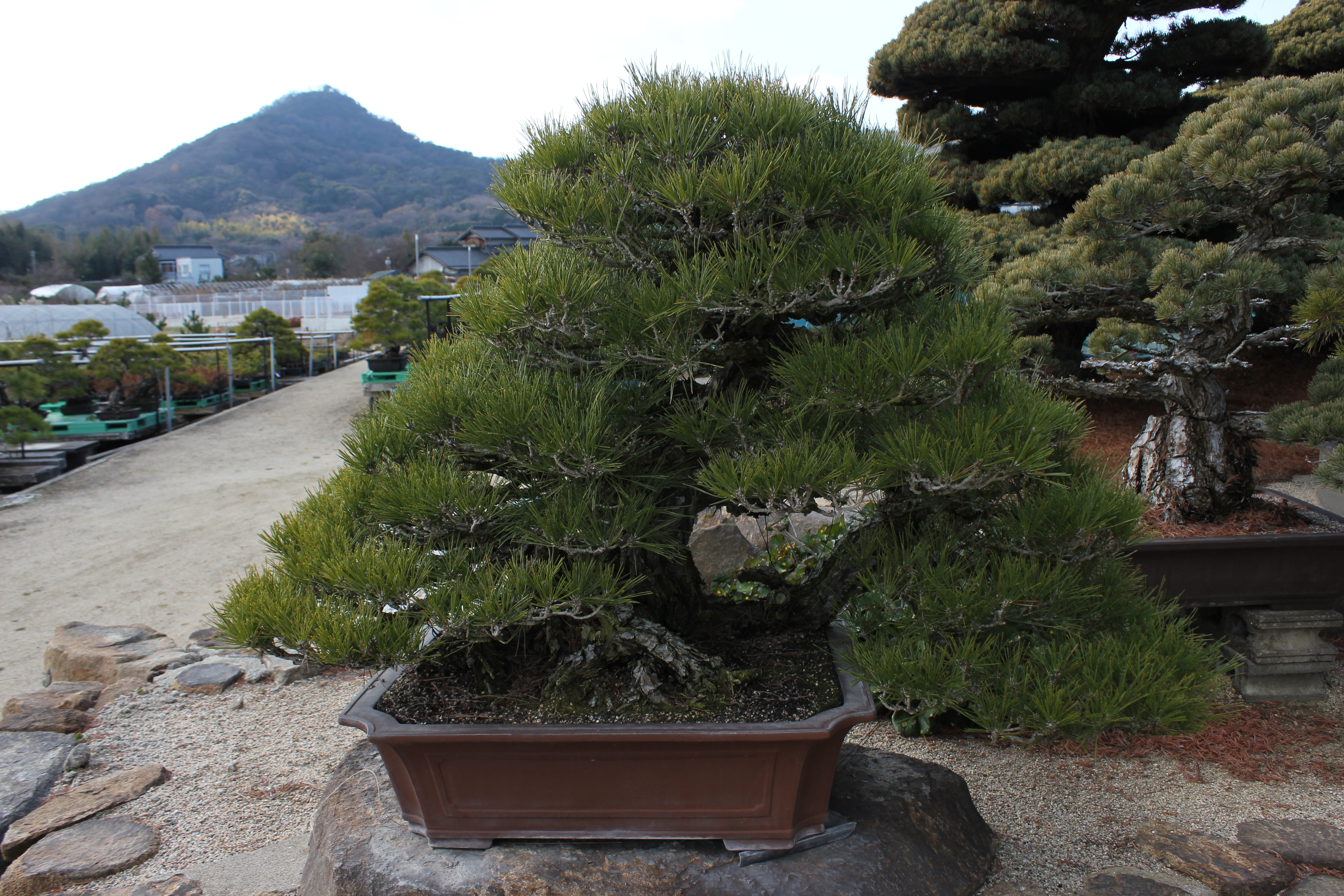
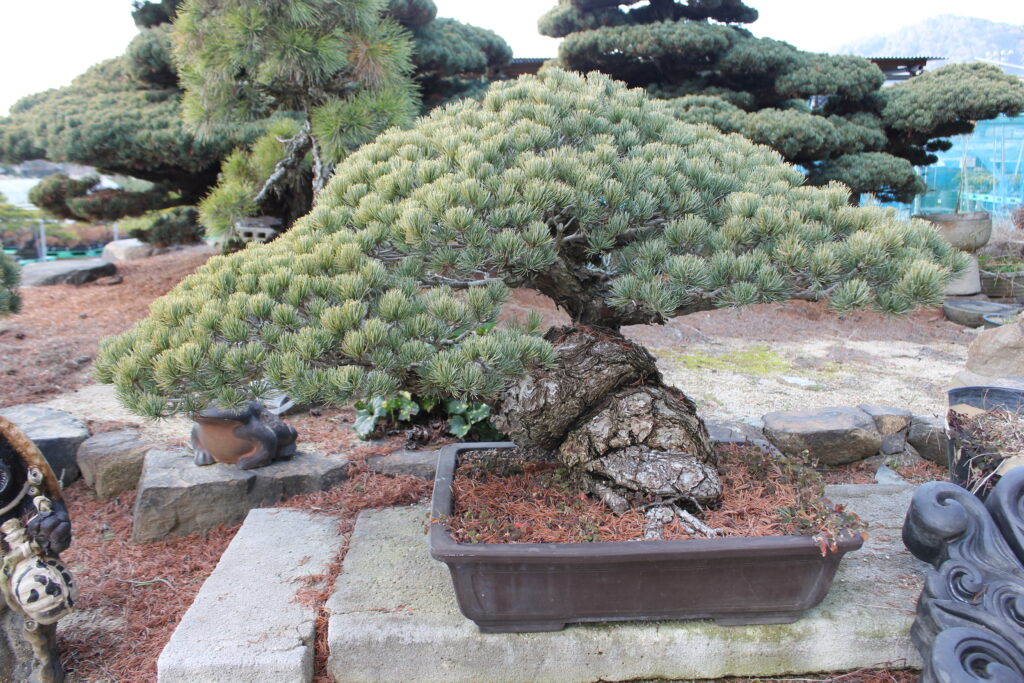
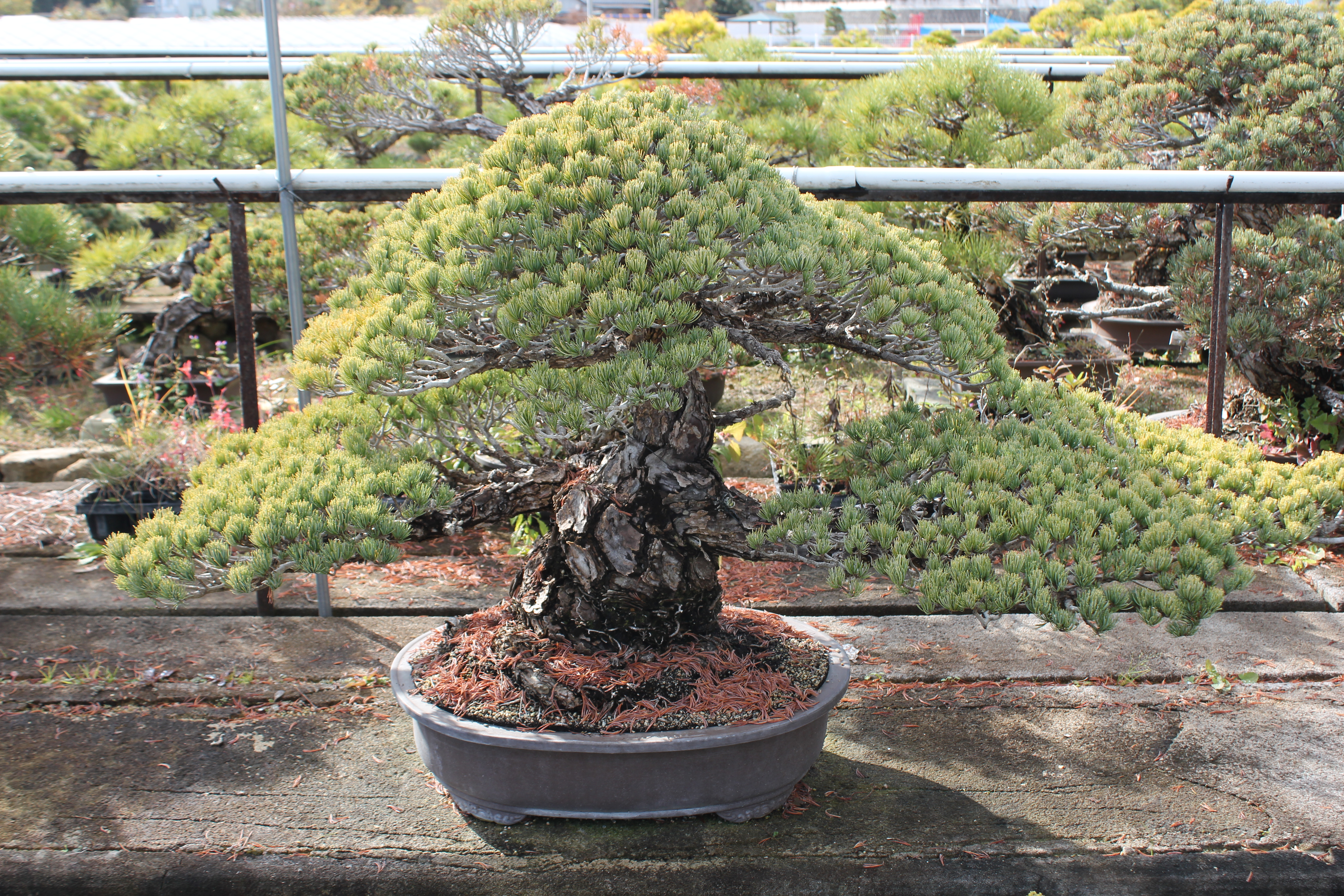
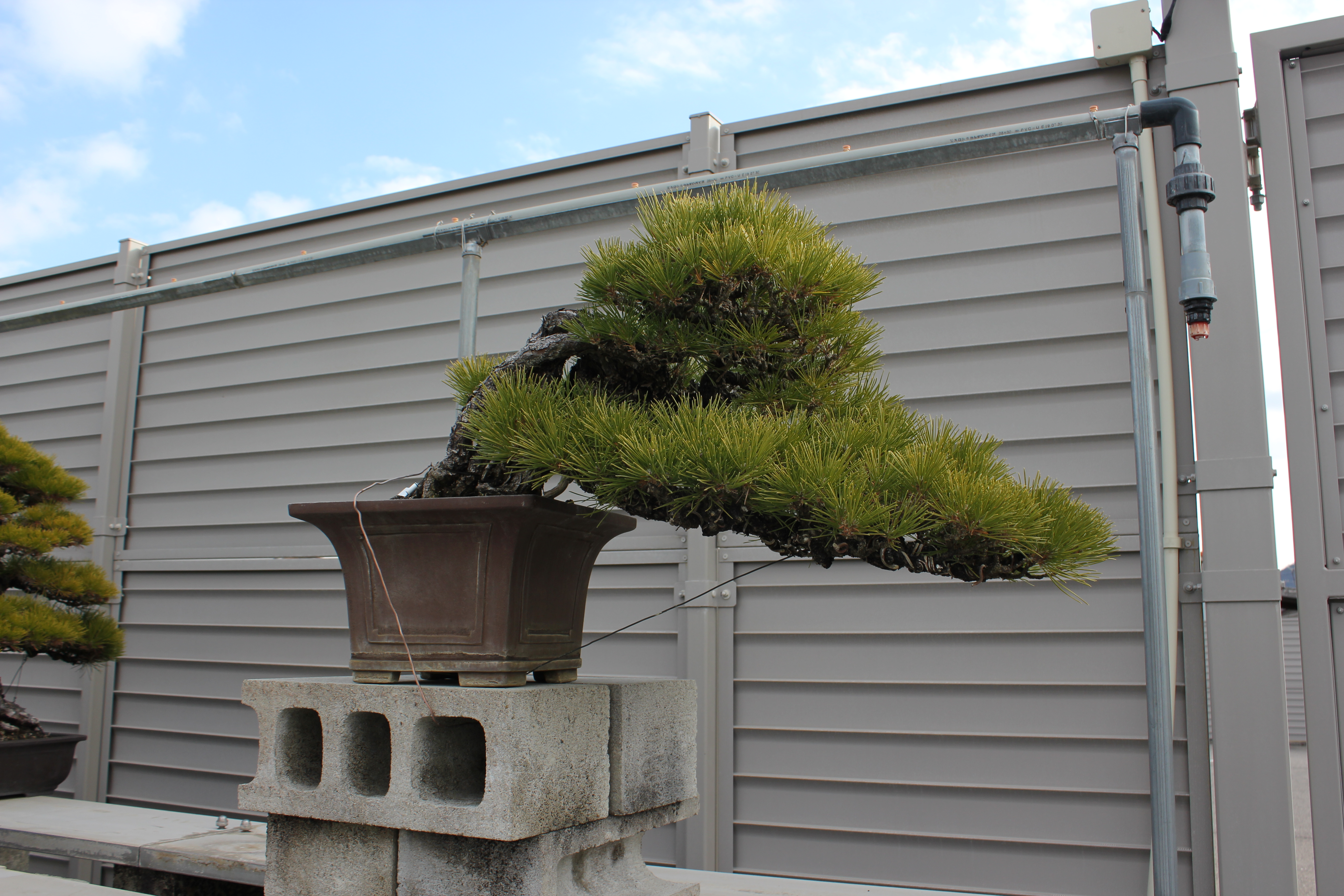
Greetings from Takamatsu, the sacred land of bonsai.
Long before pine bonsai production became a full-fledged industry, Takamatsu already possessed the essential foundations for a rich bonsai culture to take root.
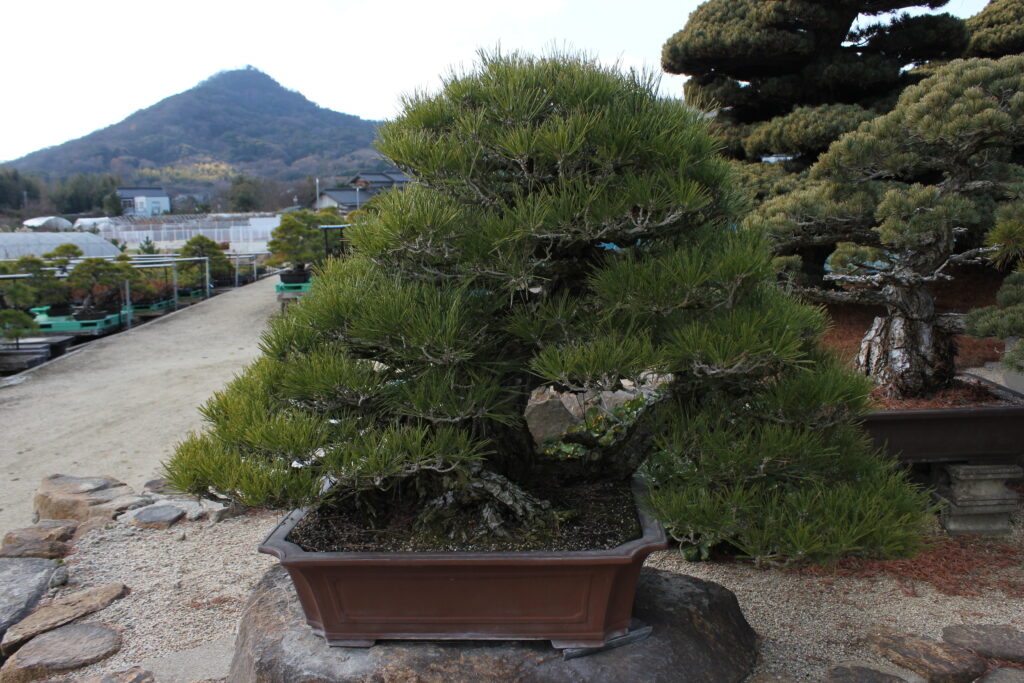
Did you know that the Imperial Palace is home to bonsai?
Among them, one of the most revered masterpieces is a five-needle pine known as Sandai Shōgun (“The Third Shogun”), believed to have been cherished by Tokugawa Iemitsu, the third shogun of the Tokugawa dynasty.
The tree is said to be around 550 years old and is often described as the oldest surviving bonsai in the world.
As bonsai are handed down as family treasures, it is not uncommon for written records detailing their origins to be lost through fires—such as the Great Fire of Meireki in Edo—or generational changes. Sandai Shōgun is no exception. What remains today is a powerful oral tradition that “this was a tree beloved by Shogun Iemitsu,” and the overwhelming dignity emanating from the tree itself.
Its exact origin is unknown, but one theory suggests that it may have been presented to the shogunal family from Takamatsu.
The Matsudaira clan of Takamatsu were close relatives of the Tokugawa family, and considering Iemitsu’s well-known love of bonsai, it would not be unreasonable to imagine that a bonsai from Takamatsu or Kokubunji—renowned regions for five-needle pines—was offered to the shogun.
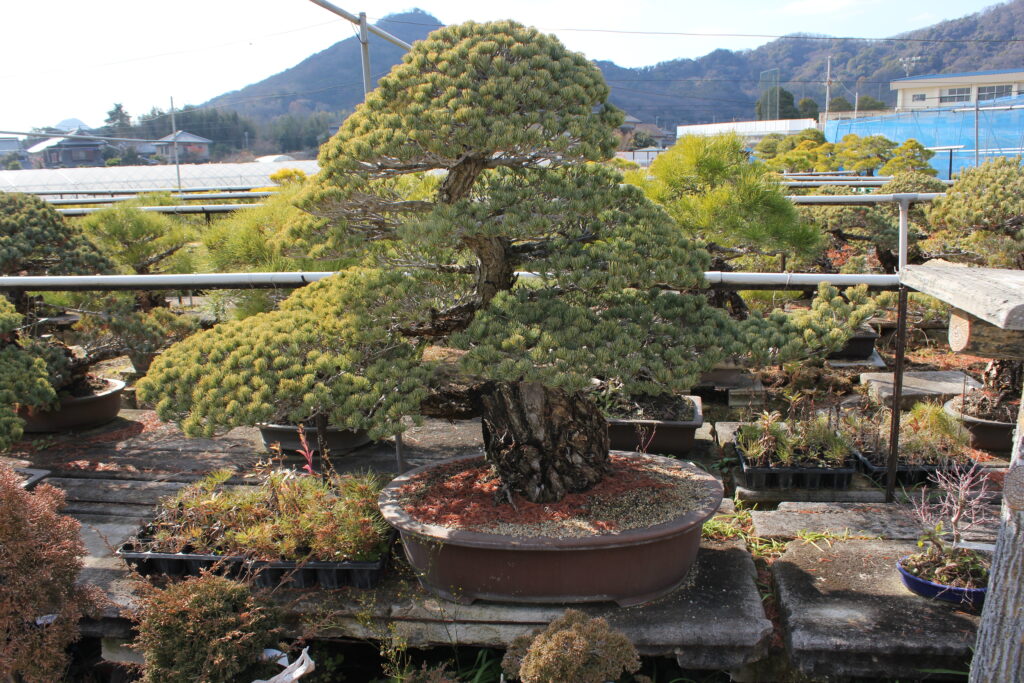
This remains a hypothesis, of course, but there is ample room to imagine a quiet bonsai connection linking Takamatsu and the Tokugawa shogunate.
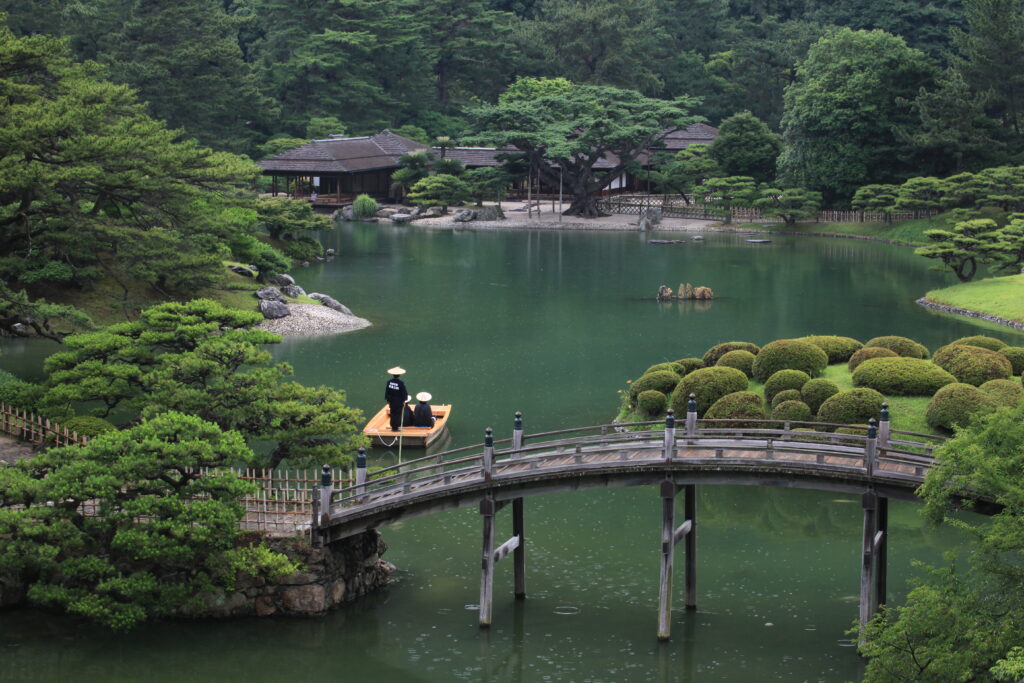
Ritsurin Garden, a Special Place of Scenic Beauty in Takamatsu, was developed as a secondary residence of the Matsudaira clan and took roughly 100 years to complete, beginning in the era of Tokugawa Iemitsu.
The garden is home to a great number of pine trees, all meticulously pruned and maintained by official domain gardeners known as oniwaban or oniwashi.
The skills of Takamatsu’s gardeners have long been held in exceptionally high regard nationwide. Even today, craftsmen from Takamatsu sometimes play leading roles in the care of important pine trees within the Imperial Palace grounds.
For centuries, “Takamatsu’s plant craftsmen” were widely known, and it was not unusual for prestigious families, temples, and shrines to invite gardeners from Takamatsu to manage their landscapes.
The pines of Ritsurin Garden have been tended daily for hundreds of years. In this sense, the garden itself functioned as a vast living textbook—a place where the highest standards of technique were learned, refined, and passed down through hands-on practice.
Allow me a brief digression.
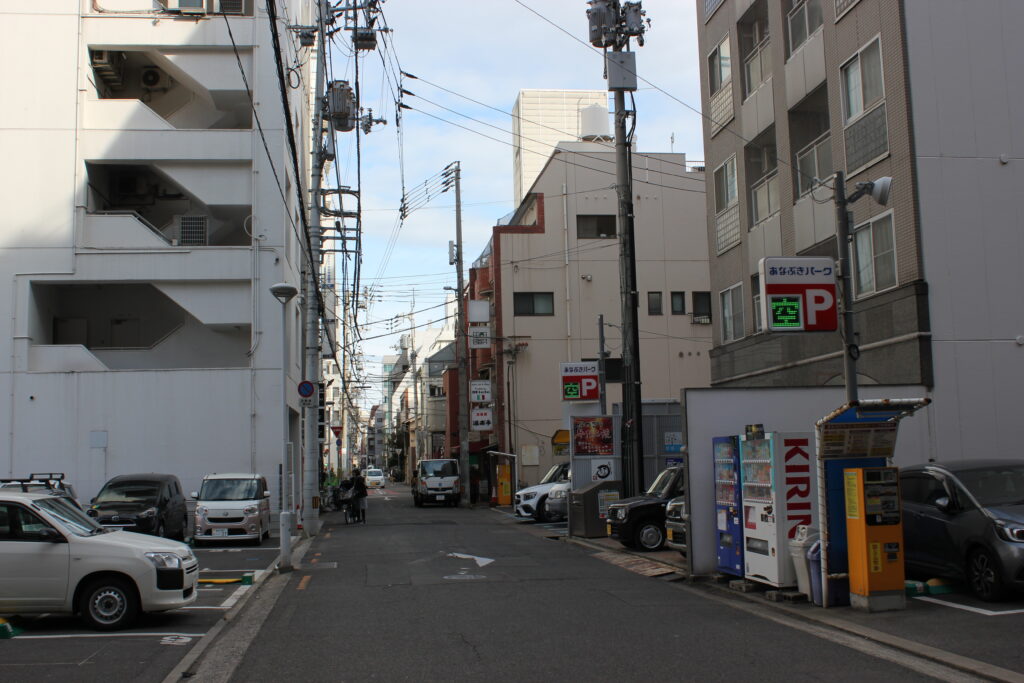
There were also surrounding industries that supported this culture of craftsmanship. Even today, Takamatsu has an area known as Kajiyamachi (“Blacksmith Town”). The name is believed to originate from the blacksmiths who once gathered there to produce specialized tools—such as pruning shears—used by gardeners and plant craftsmen.
Technique is not nurtured by people alone; it also grows alongside the tools that make that technique possible.
By the late Edo period, the garden management techniques cultivated at Ritsurin Garden gradually began to merge with private bonsai production.
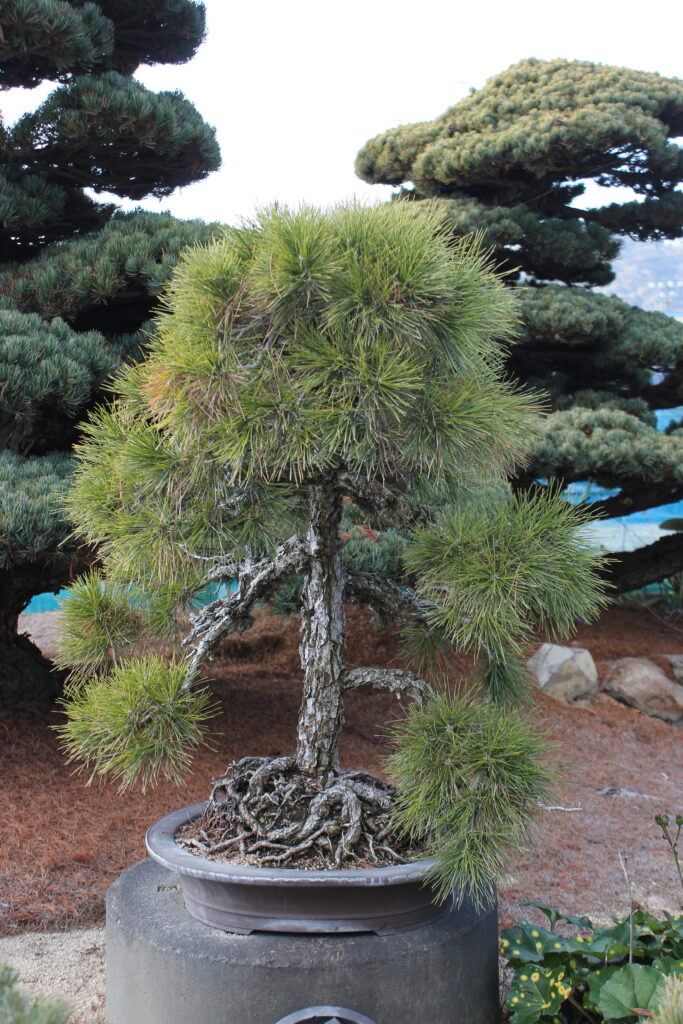
Farmers in areas surrounding the garden, such as Kinashi and Kokubunji, took the beautifully shaped pines of Ritsurin Garden as an ideal model. They began lifting naturally growing pines, planting them in pots, and training them as bonsai.
At the same time, the flow of technique was not one-directional.
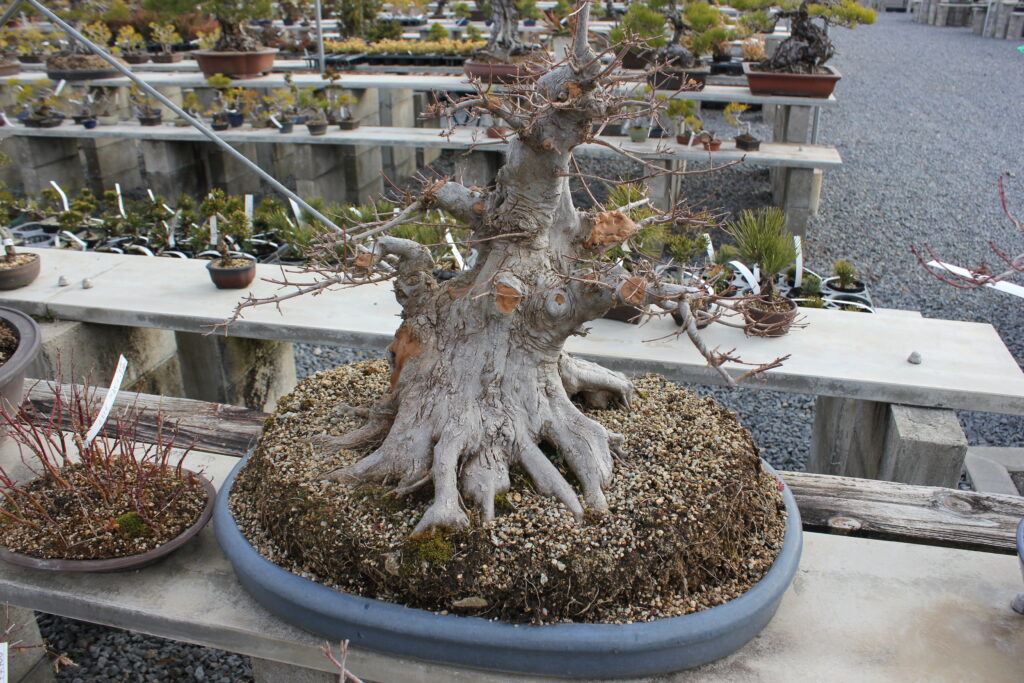
Gardeners, who shaped trees in the ground, and bonsai growers, who cultivated trees in containers, shared skills such as pruning, wiring, and grafting. Through this exchange, Takamatsu developed a highly refined aesthetic technique: making large trees appear small, and small trees appear grand.
At this point, a question naturally arises:
“How could ordinary farmers in the Edo period gain access to the techniques of a daimyo garden like Ritsurin Garden?”
Indeed, it would have been impossible for farmers to freely enter a feudal lord’s garden.
As I looked deeper, the answer emerged from an unexpected place.
Ritsurin Garden was both the lord’s private garden and a venue for official hospitality, requiring resident professional gardeners. However, gardeners and plant craftsmen of that era were often not urban specialists as they are today. Many were half-farmers, half-craftsmen from rural areas, connected to farmers in Kinashi and Kokubunji through family ties, apprenticeships, or seasonal labor.
Moreover, during large-scale pruning projects or post-typhoon restoration work, temporary laborers were mobilized from surrounding villages. Through such work, they had opportunities to observe the advanced techniques of the domain gardeners at close range.
In this way, although rarely recorded in documents, an “invisible passage” for the transmission of skills—carried quietly through human relationships—most certainly existed.
Bonsai culture also developed in Edo and Kyoto, but in those cities, techniques tended to be closely guarded by guilds or hereditary professional families, often becoming secret knowledge.
In contrast, in Takamatsu, techniques were shared more openly between gardeners and farmers. This openness made it possible to achieve both mass production and high artistic refinement—one of the decisive factors that set Takamatsu bonsai apart from other regions.
Within Ritsurin Garden, there are still five-needle pines said to have originally been bonsai, as well as many intriguing stories connected to Takamatsu bonsai that remain largely unknown. I hope to share some of those stories on another occasion.