Why Bonsai Flourished in Takamatsu, Kagawa — Tracing the History (Part 1) —
Kurokawa
Attractive Trip in Kagawa
Hello everyone. I’m TAKA.
In the previous article, I briefly introduced two things that Kagawa proudly shares with the world:
its food culture — udon — and its living art — bonsai.
At first glance, these may seem like completely unrelated cultures.
But in fact, they took root and developed in Kagawa for the very same reason.
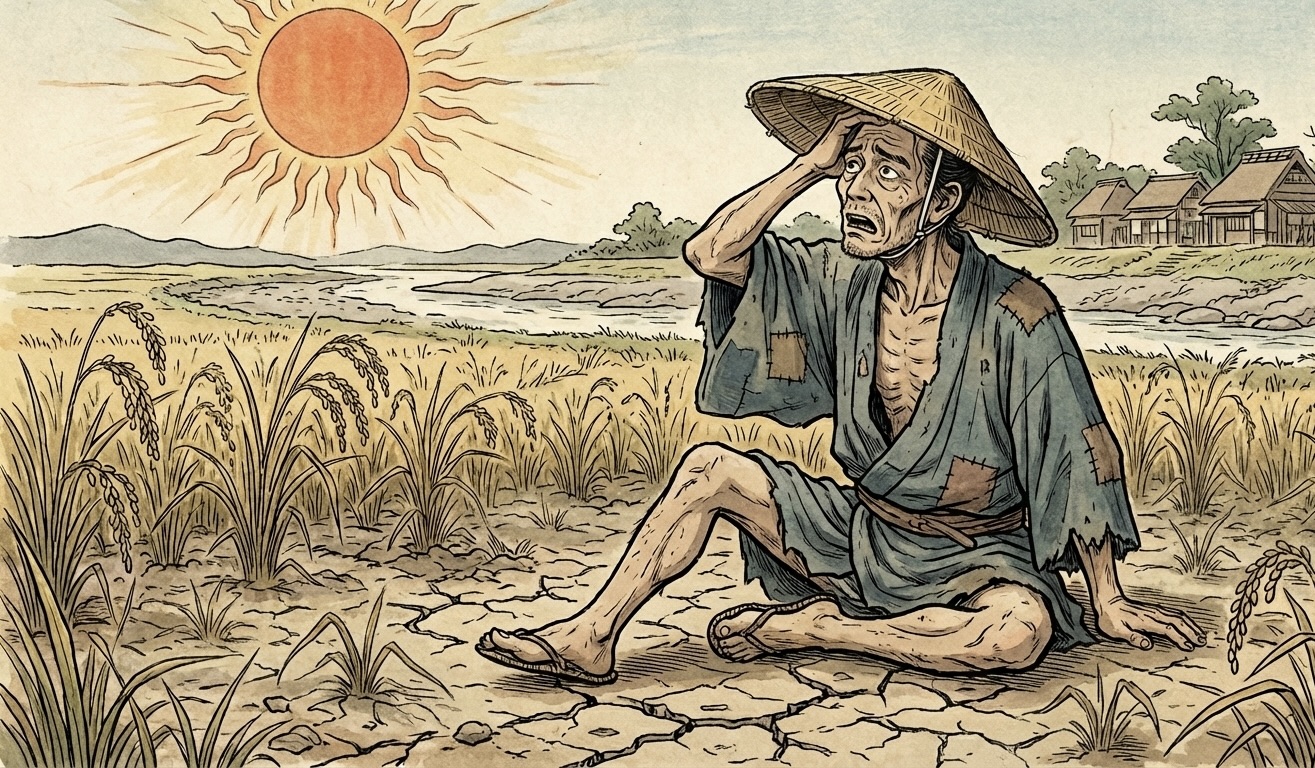
To be honest, Kagawa is not a region blessed with favorable natural conditions.
Rainfall is low, and the soil is poor. It has never been an ideal place for growing rice.
However, instead of lamenting what they lacked, the people of Kagawa focused on how to make the most of the conditions they had.
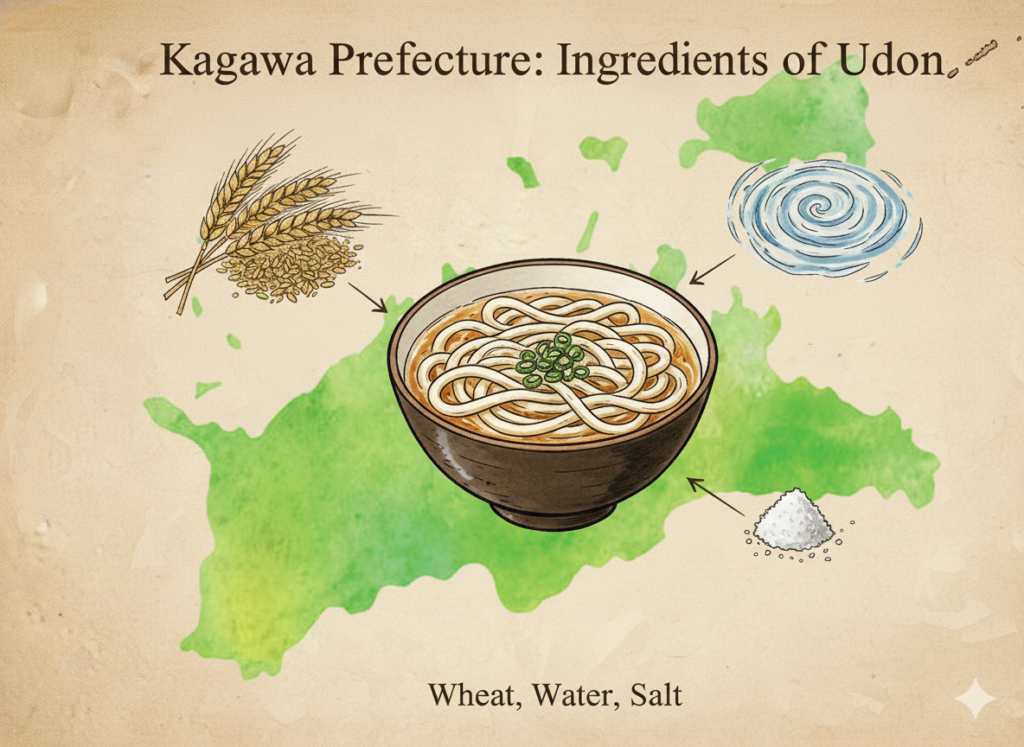
Let’s start with udon.
Instead of rice, they cultivated wheat. They used salt from the Seto Inland Sea.
With limited water, people kept refining their methods, asking themselves how udon could be made better.
Udon is not a luxury cuisine. It is everyday food.
And precisely because it is eaten daily, every detail was refined to an almost obsessive level — the firmness of the noodles, boiling time, temperature, and the balance of the broth.
Bonsai developed in the same way.
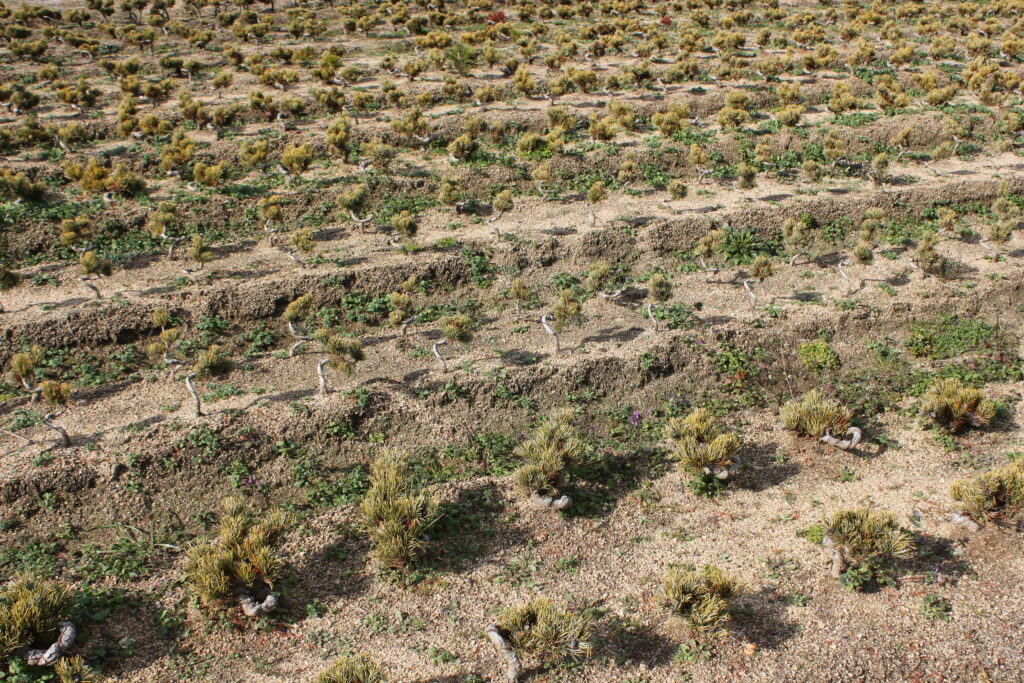
In poor soil, large trees do not grow easily.
So the people of Kagawa chose a different approach:
“If trees cannot grow large, let us grow them small — and beautiful.”
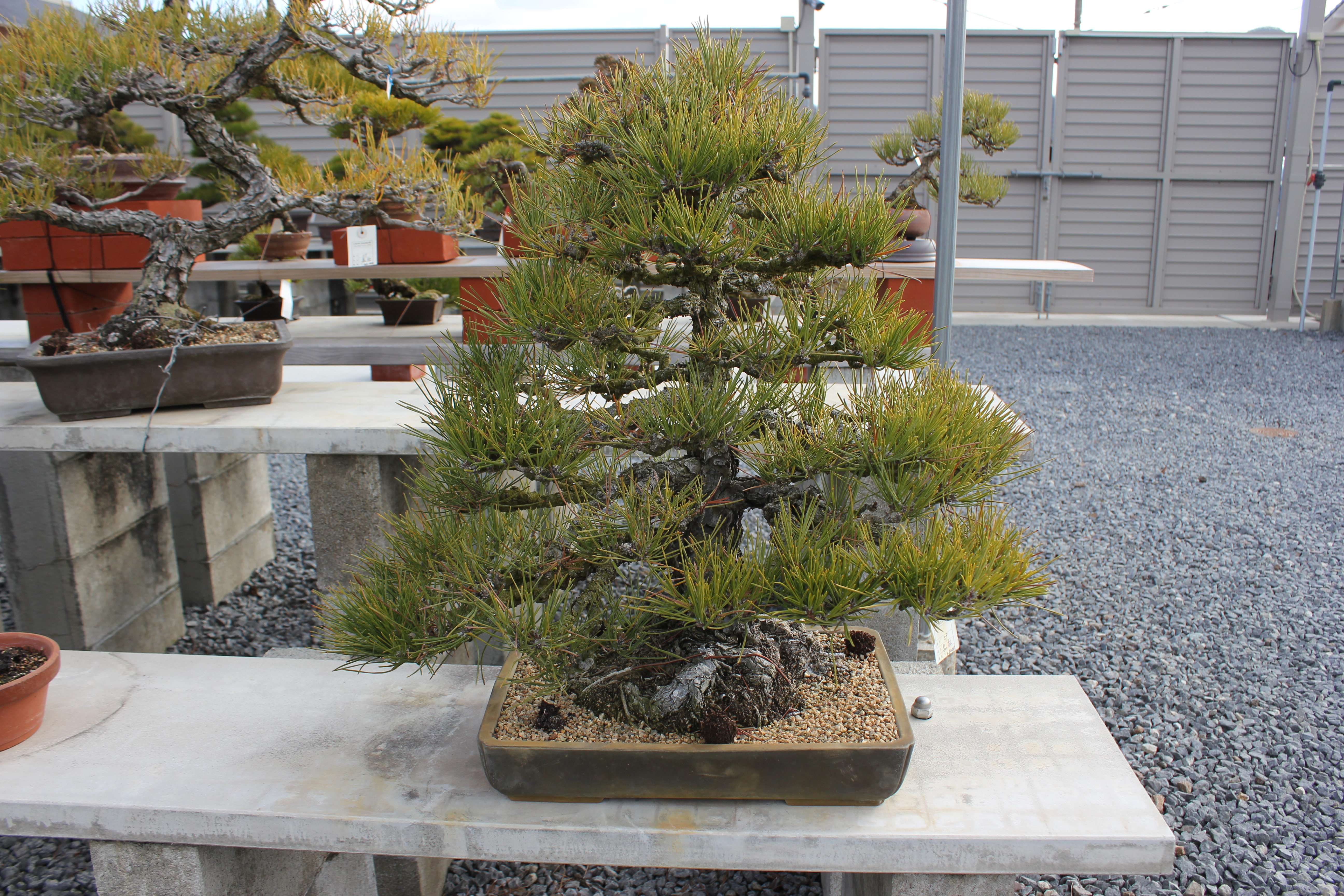
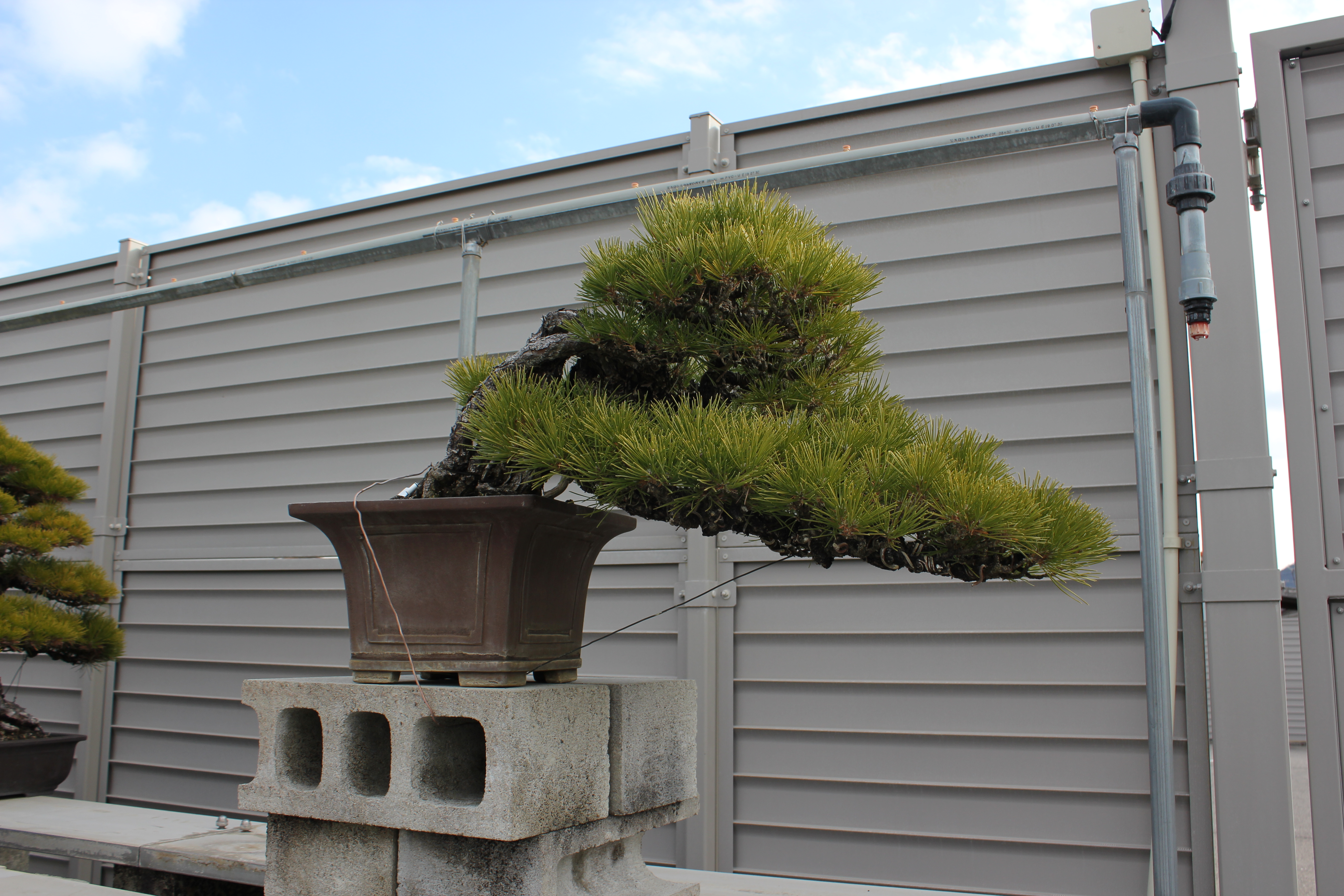
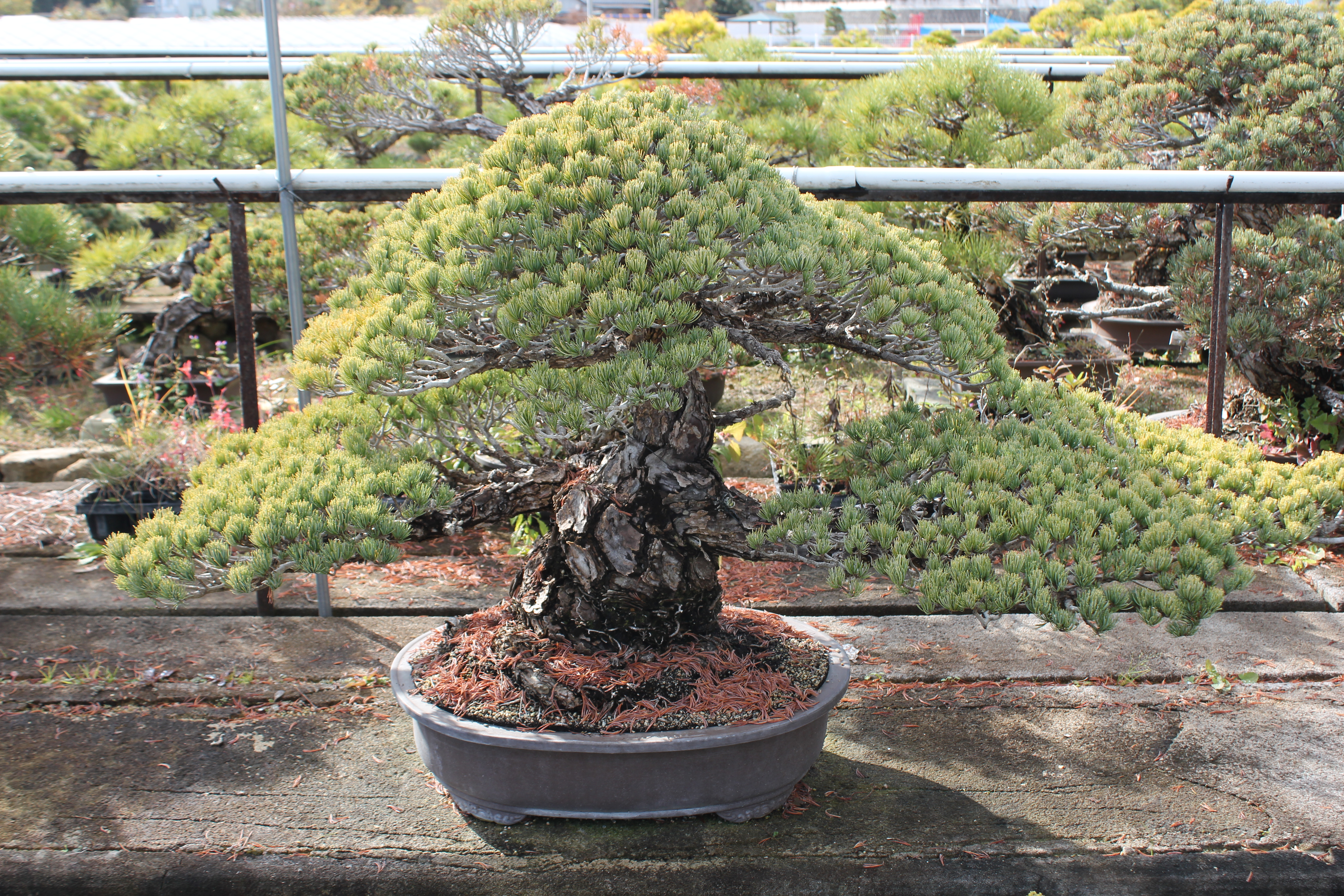
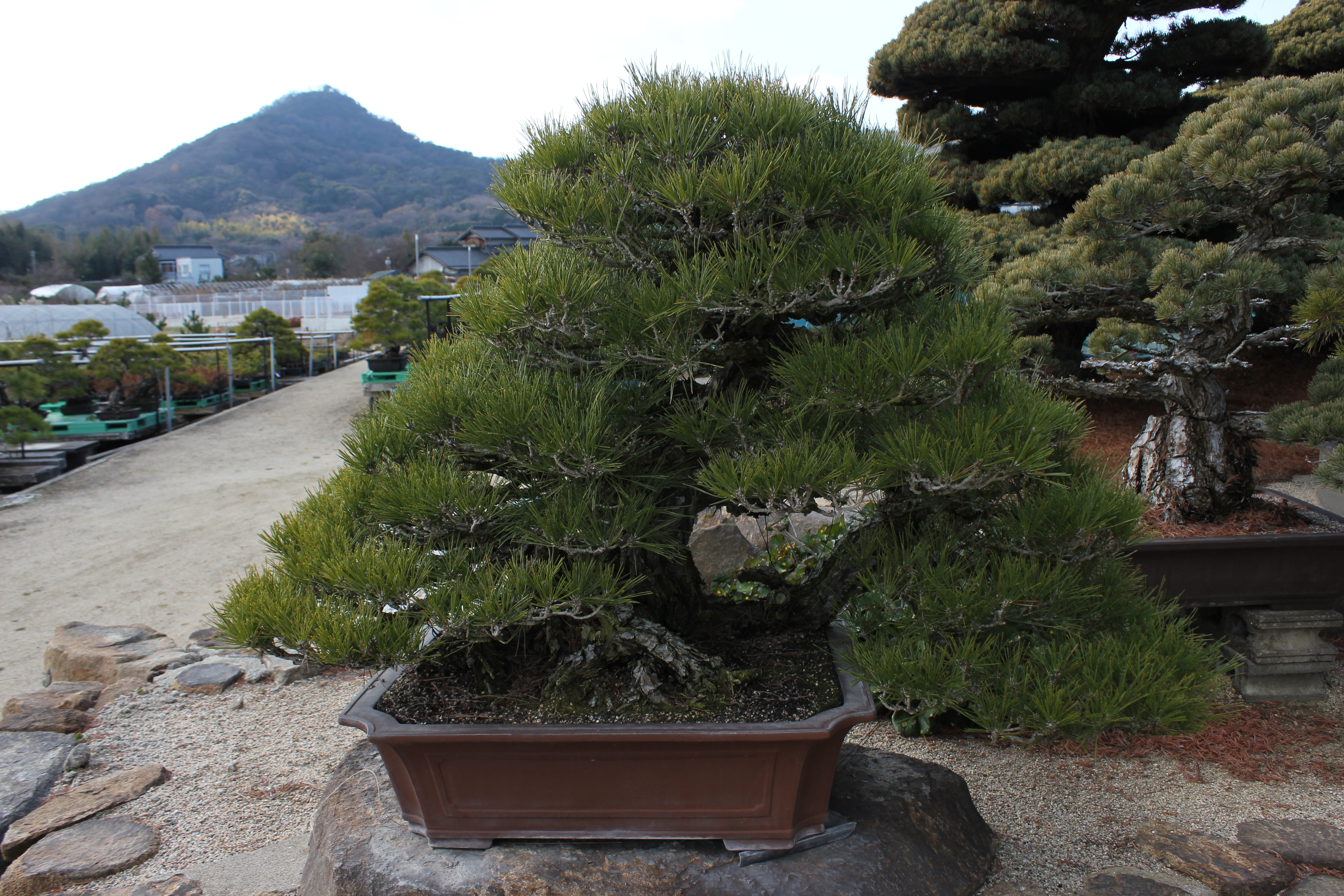
They learned how to control the growth of pine trees, shaping them patiently over decades, sometimes over a hundred years.
At certain times of the year, buds are carefully pinched off one by one. Trees are watered to prevent them from drying out, fertilized, and protected from pests — without neglect, day after day.
Bonsai, too, is not a special art created by extraordinary artists.
It is a culture born from the quiet accumulation of daily care.
In other words, in Kagawa, harsh natural conditions pushed people to refine their techniques and sense of beauty to the extreme.
Neither udon nor bonsai aimed to conquer the world from the beginning.
People simply continued to ask themselves, every day, “How can this be better?”
As a result, udon became the best in Japan,
and the pine bonsai of Takamatsu became the global standard.
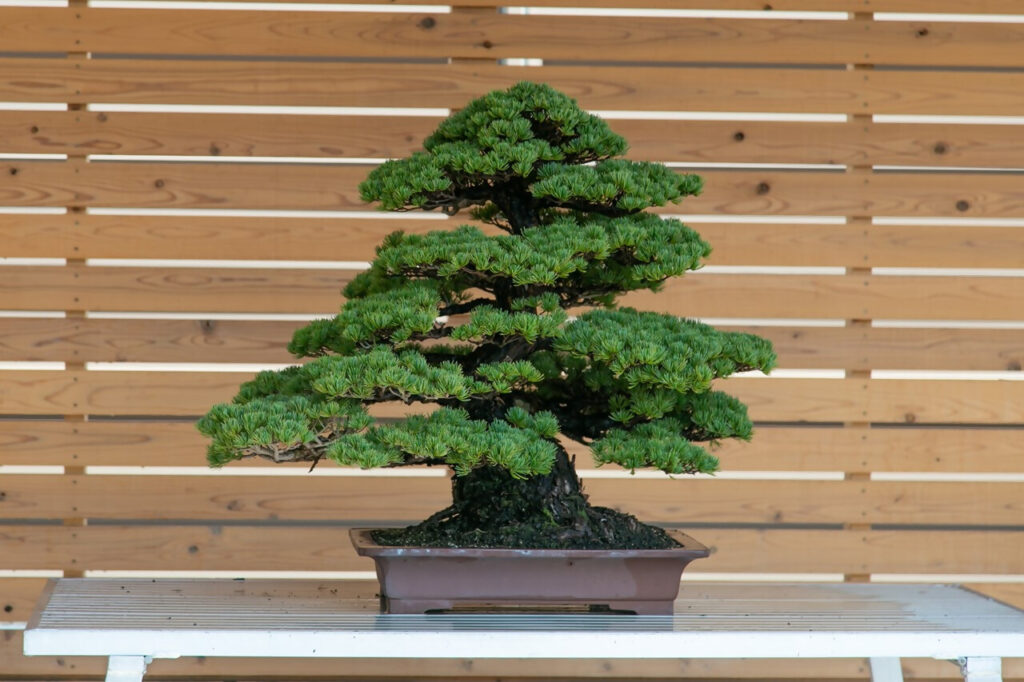
These two cultures represent the very essence of Kagawa.
Kagawa is a place that transformed disadvantage into culture.
From here on, I would like to explore the places where that culture was actually born — together with you.
I hope you continue to enjoy this journey.