Niyodo Blue: Japan’s Last Wild Paradise, Hidden in the Mountains of Kochi
By the end of this article, you’ll understand why Shikoku is often called Japan’s last unspoiled paradise — and why you’ll want to see it for yourself.
Why I Skip the Typical Shore Excursion
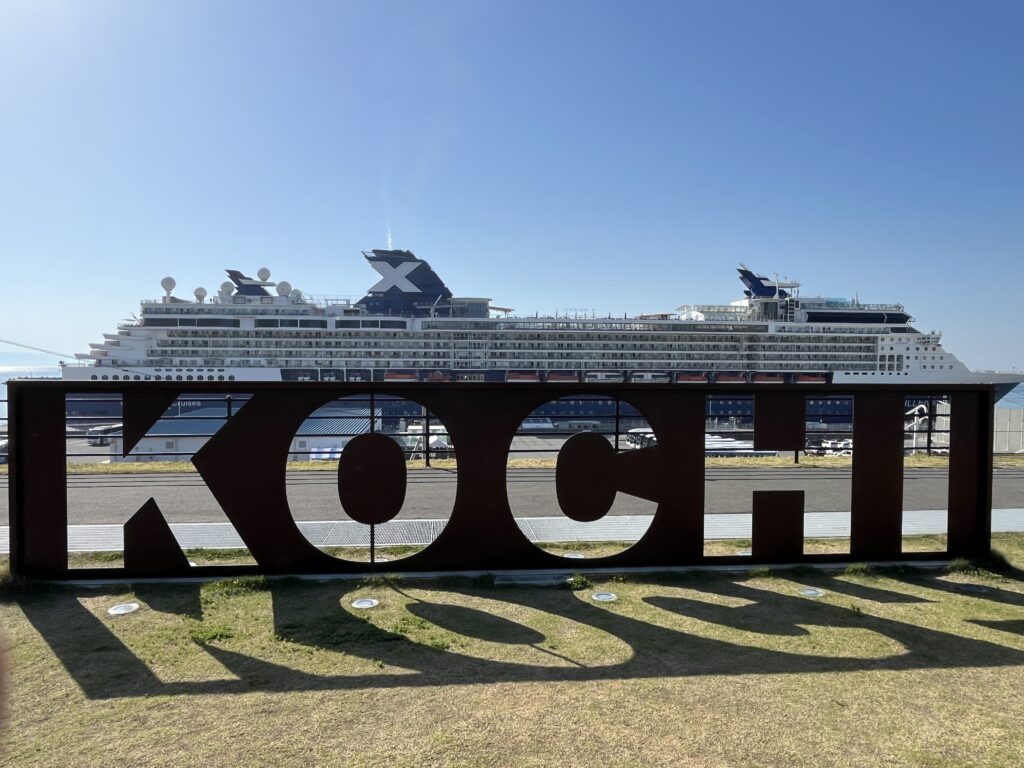
Cruise guests arriving in Kochi often request me by name, and there’s one place I recommend without fail: the Niyodo River.
Here’s why. Most shore excursions follow the same pattern — a large coach bus, a stop at a historic castle or cultural site near the port, lunch, a bit of shopping, and back to the ship. As an independent guide, I don’t have the reach or connections of a large tour operator, and I can’t take large groups. But what I can offer is hospitality, flexibility, and mobility that a tour bus simply can’t match. I don’t want guests who’ve traveled across the world to go home having seen the same castle and the same “postcard Japan” they could see anywhere. So instead, I take them somewhere the buses can’t reach: deep in the mountains, to the Niyodo River.
The Drive Itself Is Part of the Experience
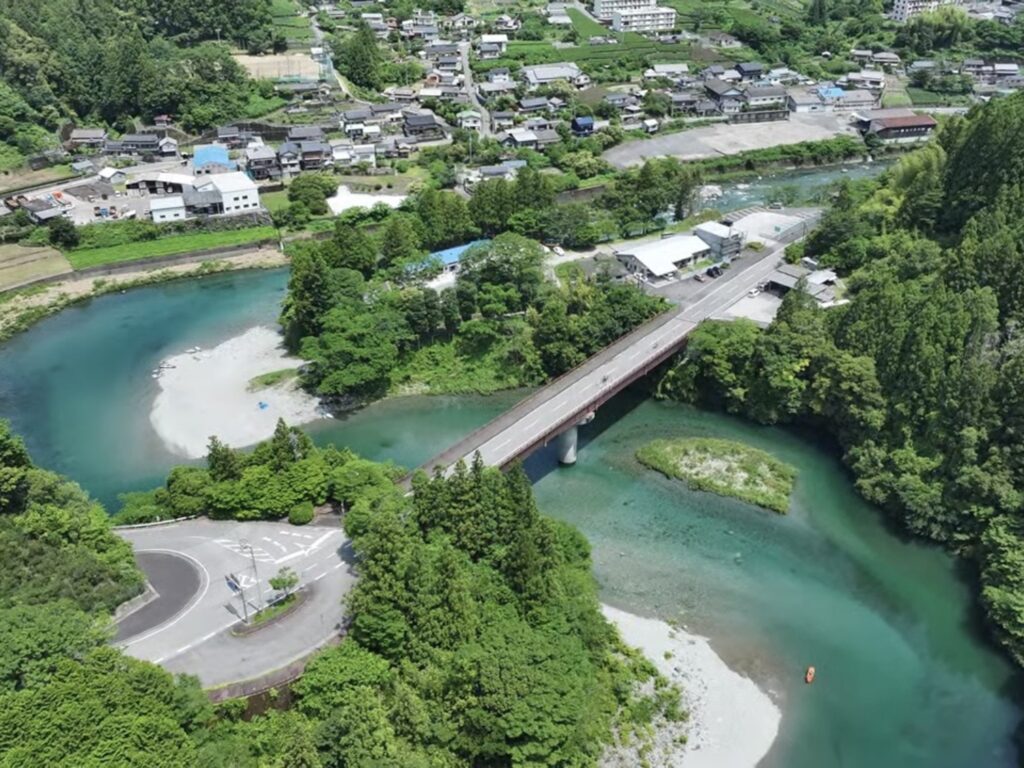
The outdoor center I work with sits over an hour from central Kochi, and the drive there is half the adventure. Kochi Prefecture is roughly 84% forest — the highest forest coverage of any prefecture in Japan, with mountains rising over 1,000 meters. The road winds through valleys, past long tunnels and iron bridges, with small villages clinging to steep mountainsides. It’s a scenic drive that most visitors to Japan never get to see.
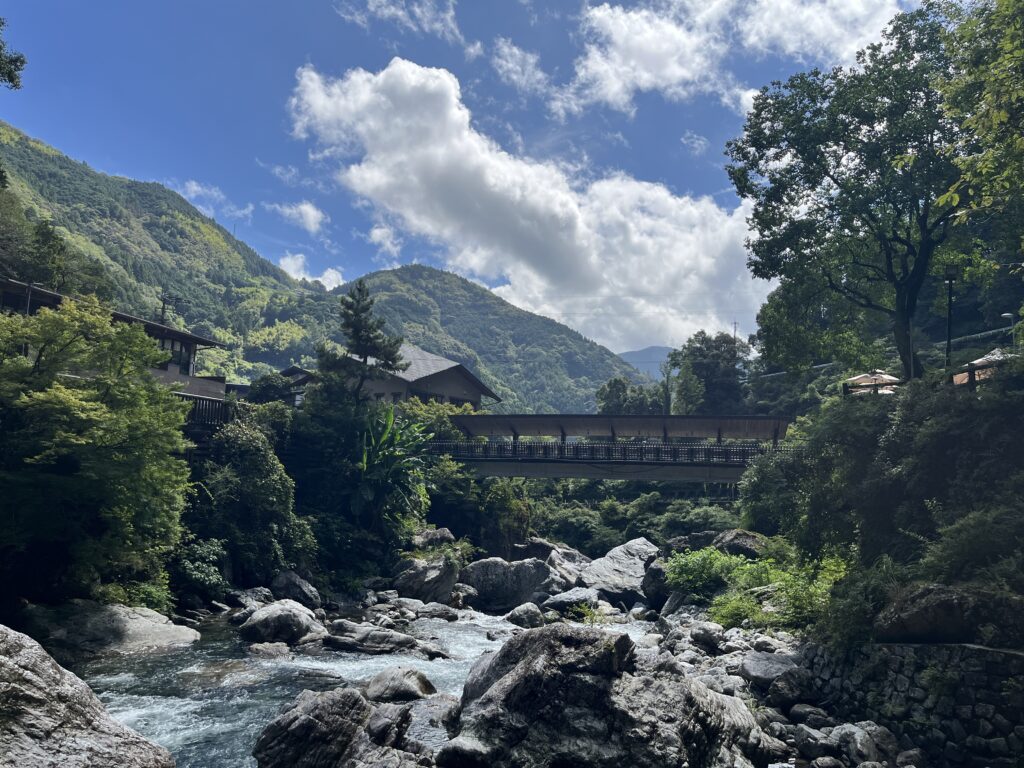
The Niyodo River: Japan’s “Miracle” Clear Stream
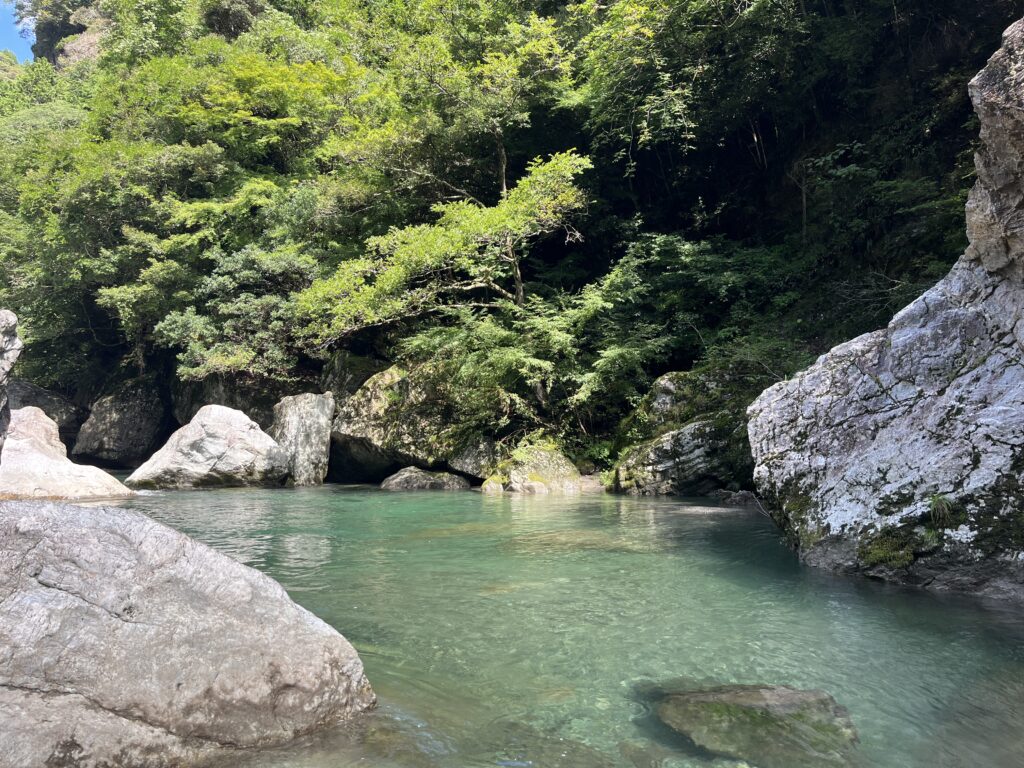
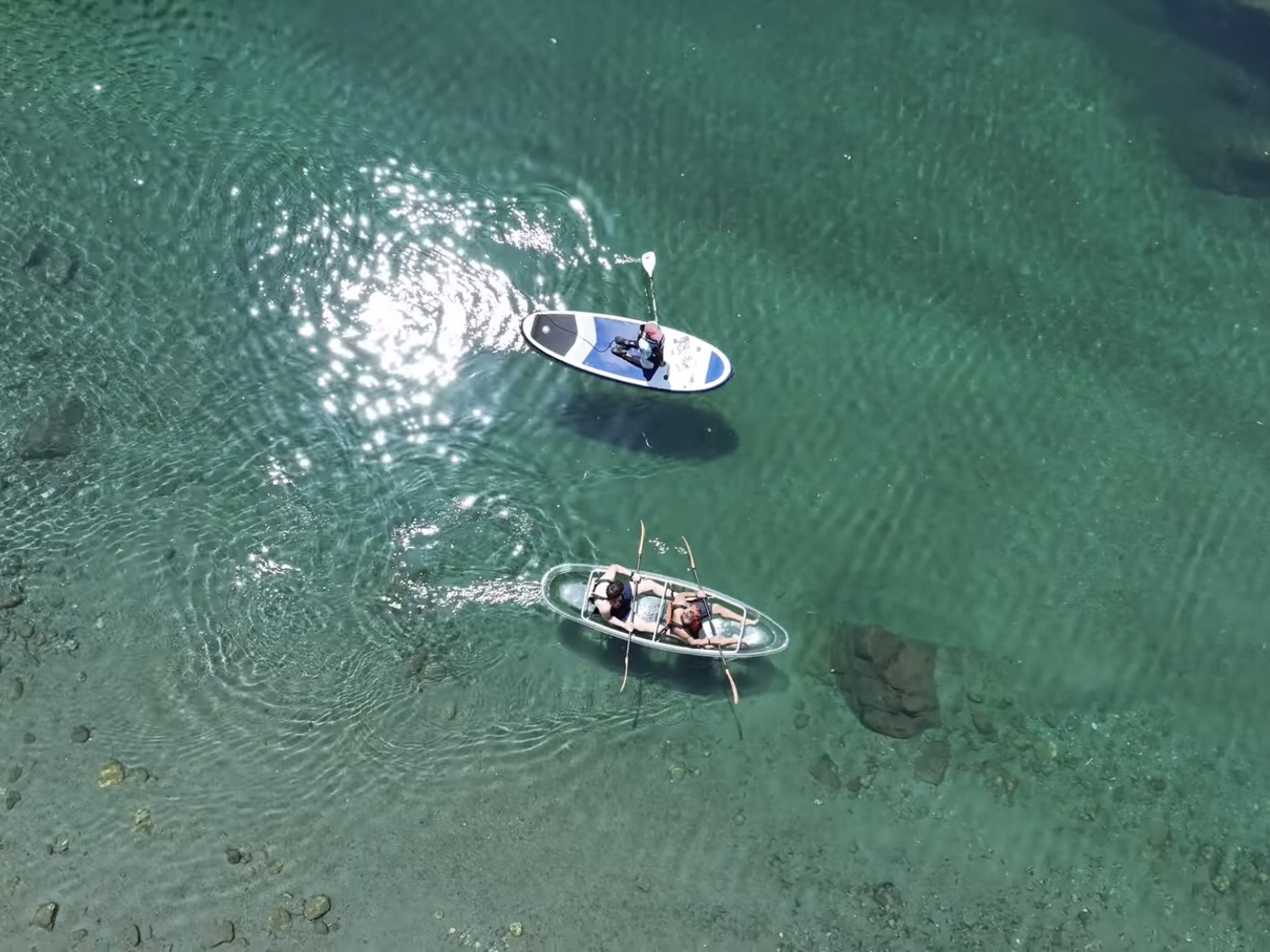
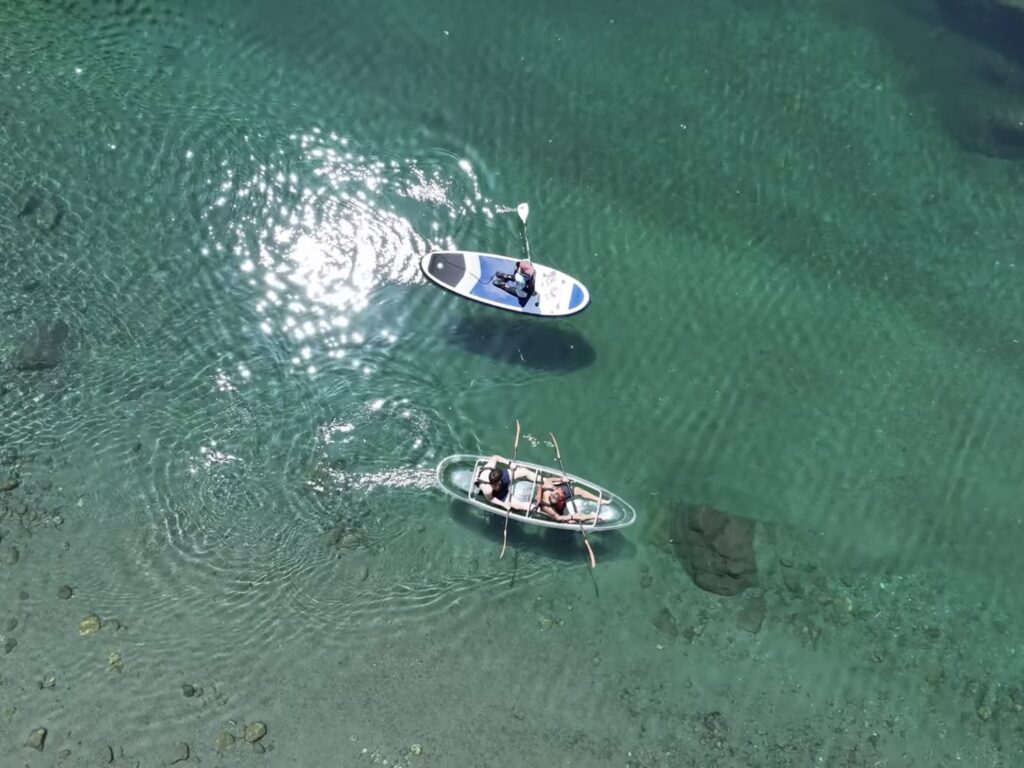
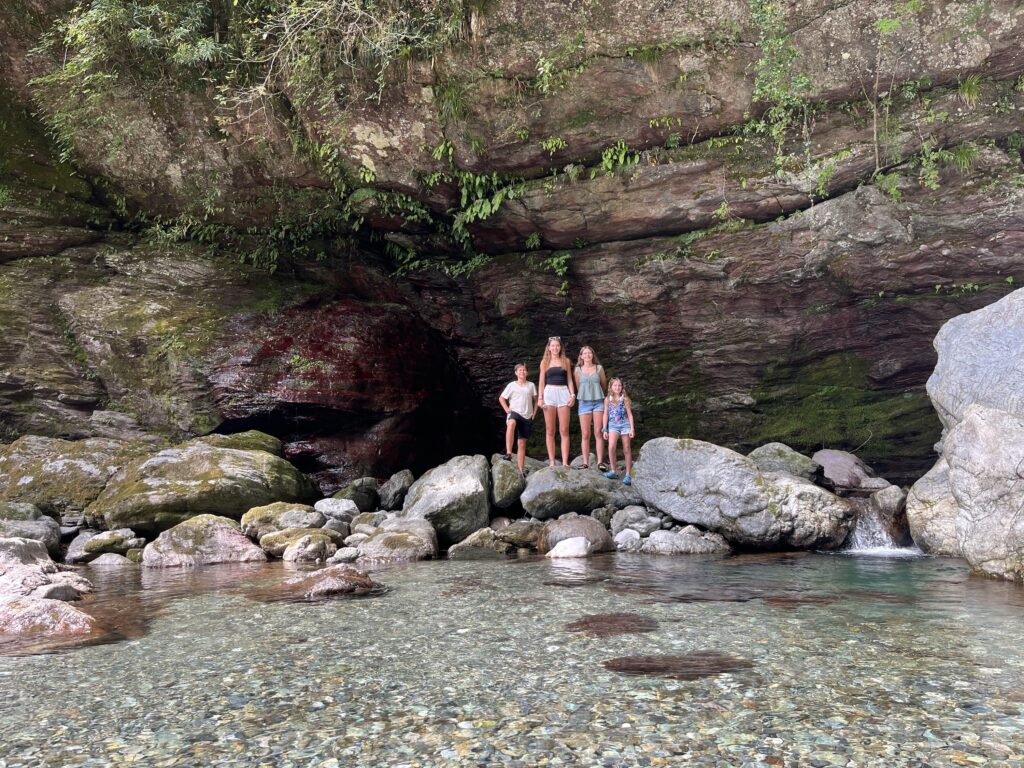
The Niyodo River is known in Japan as the “miracle clear stream” — its water is so transparent you can see straight to the riverbed. It has been ranked Japan’s best water quality nine times in the national annual survey, a title it holds like no other river in the country.
So why is the water so clear? The steep surrounding mountains act as a natural filter for rainwater, and because the riverbed is solid rock rather than soil, the water never turns muddy even after rain. The rock and stones beneath the surface also have a bluish tint, so when sunlight hits the water, it reflects into a brilliant, almost otherworldly blue. Locals call this color “Niyodo Blue.”
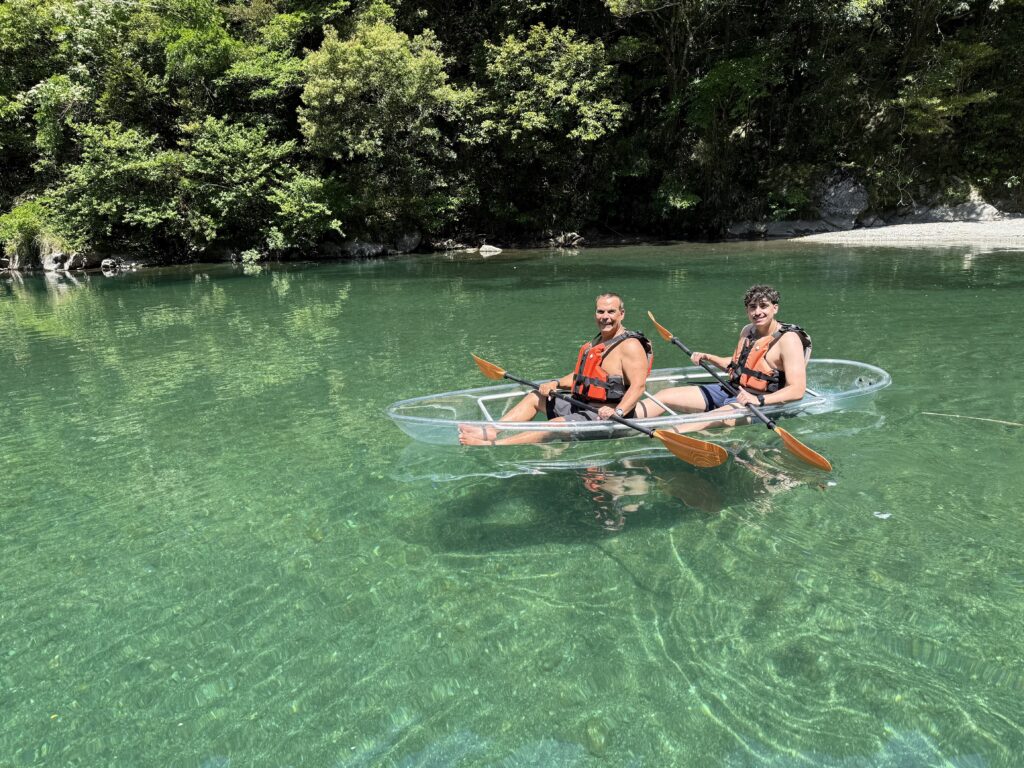
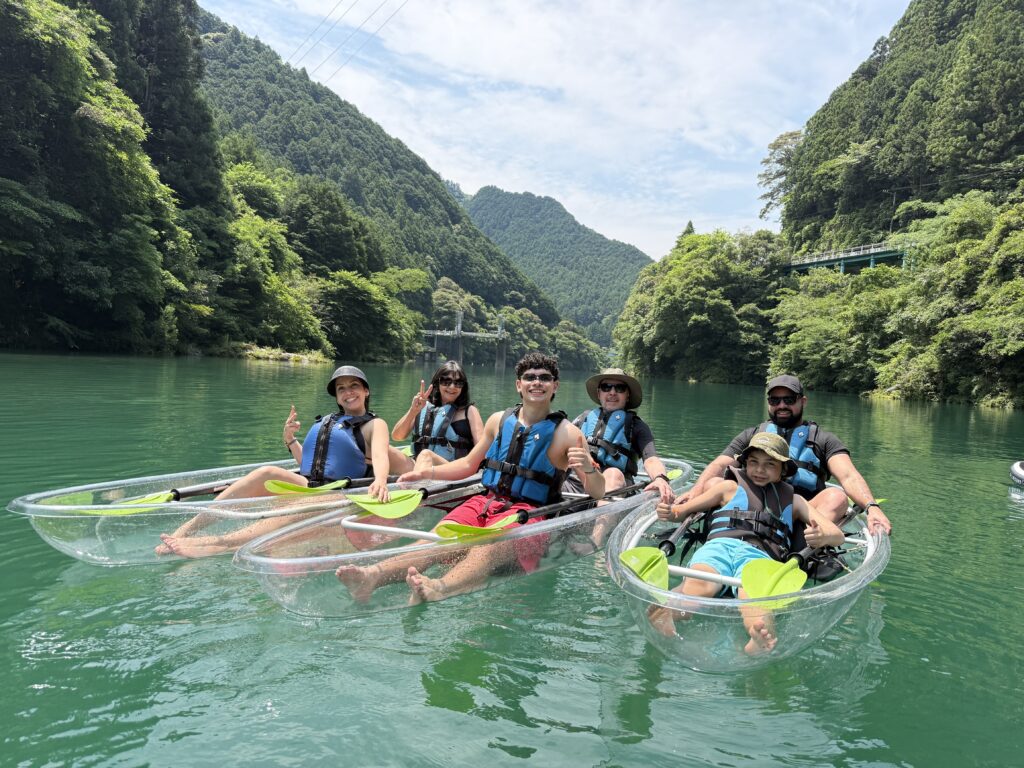
The experience I recommend most is kayaking or stand-up paddleboarding on the river. Paddle out in a transparent crystal kayak, and the water is so clear it feels like you’re floating in mid-air. The water temperature is comfortable — never too cold — so a quick swim after paddling feels refreshing, especially on a hot summer day.
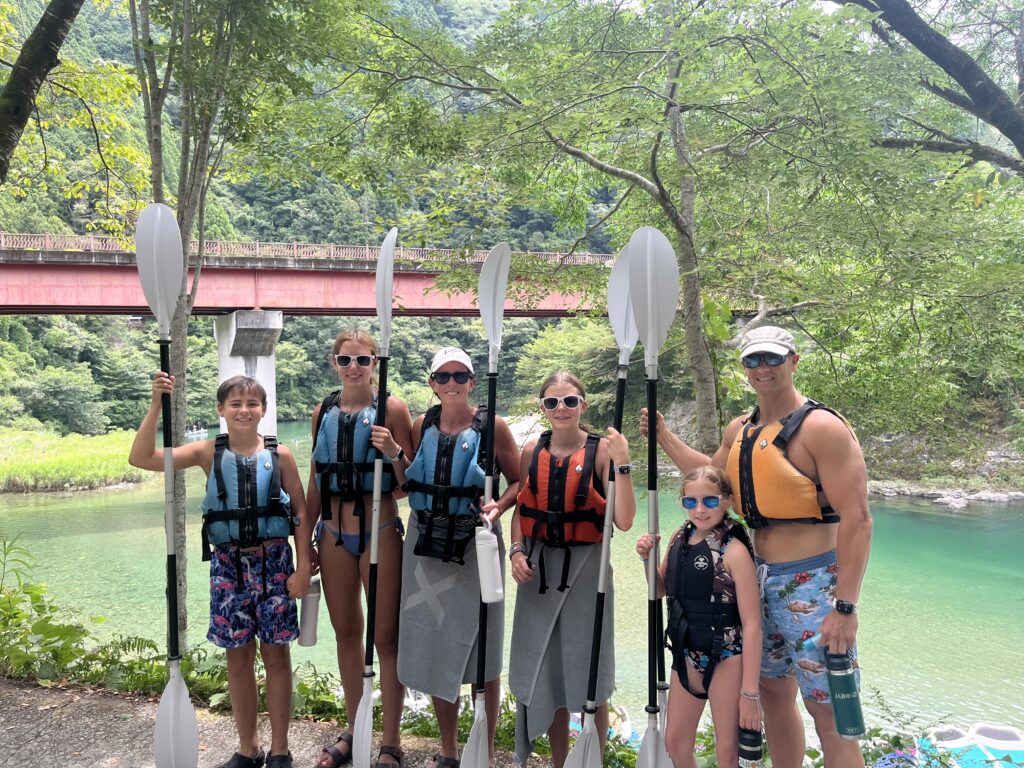
By the time the river activity wraps up, it’s usually close to lunchtime. I always keep mineral water, sports drinks, juice, and light snacks in the car for the ride back, since nobody enjoys sightseeing on an empty stomach. Recently I served a local sweet potato mochi on the drive back — it was a hit.
Lunch at Hirome Market — and the Real Story Behind Katsuo no Tataki
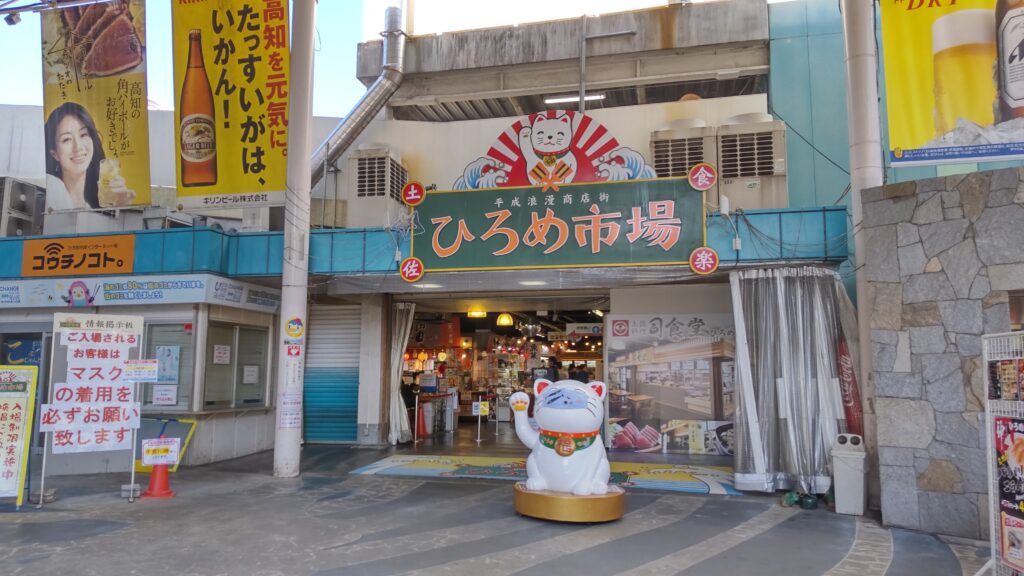
Lunch takes us back into central Kochi, to Hirome Market — a lively food hall where all of Kochi’s local specialties come together, and something of a paradise for anyone who enjoys a daytime drink.
Kochi’s signature dish is katsuo no tataki (seared bonito), and there’s a story behind why it became so famous here. Kochi has long been a fishing town, and bonito fishing in particular has always been central to local life. Fishermen went out daily, so fresh bonito was available every single day — unlike other parts of Japan, where the catch (and freshness) is less consistent. Bonito, like mackerel and tuna, spoils quickly, so freshness is everything.
The “tataki” method — quickly searing the fish over a straw fire — has a surprisingly colorful origin. Centuries ago, during the samurai era, a serious outbreak of food poisoning swept through Kochi. In response, the local lord banned raw fish. But the people of Kochi loved their raw bonito too much to give it up, so they found a workaround: searing just the surface over an open straw flame, so it technically counted as “cooked.” The straw fire adds a smoky, toasted aroma, and the dish is traditionally served simply — with salt and sliced garlic — letting the flavor and fragrance take over. It’s a taste you genuinely can’t find anywhere else.
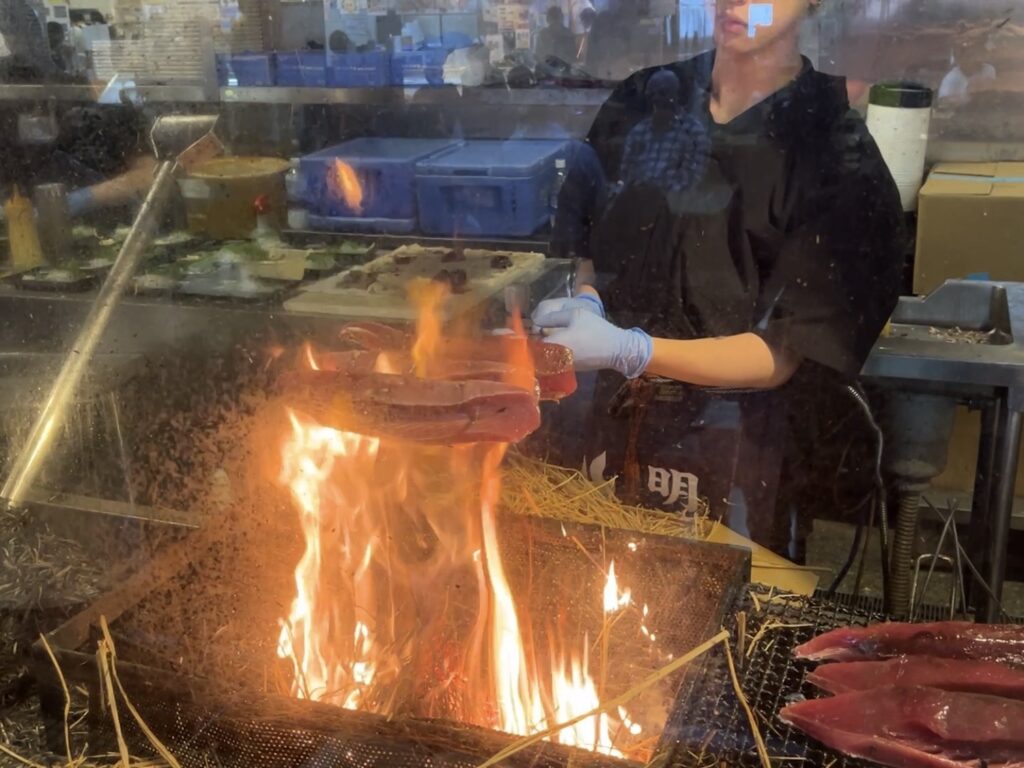
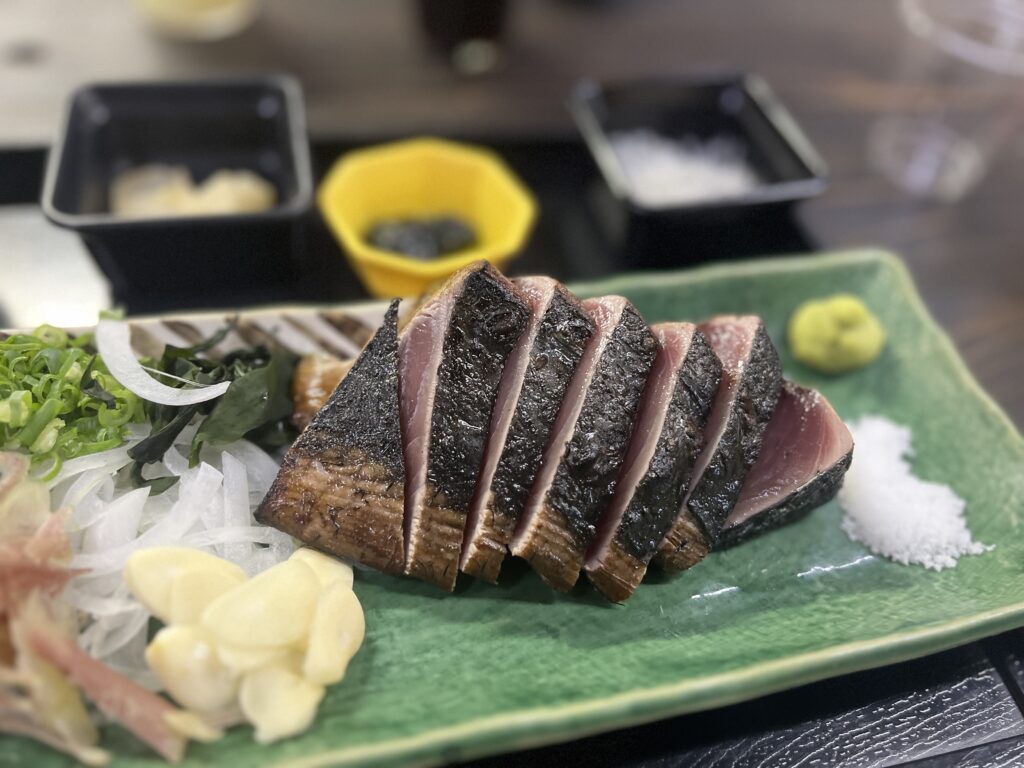
Every guest who tries it tells me the same thing: “This is a 10 out of 10.” I know a handful of favorite stalls inside Hirome Market I always take guests to — I’ll have to save those for a future post.
Want to Sear Your Own? A Hidden Dojo Five Minutes from the Port
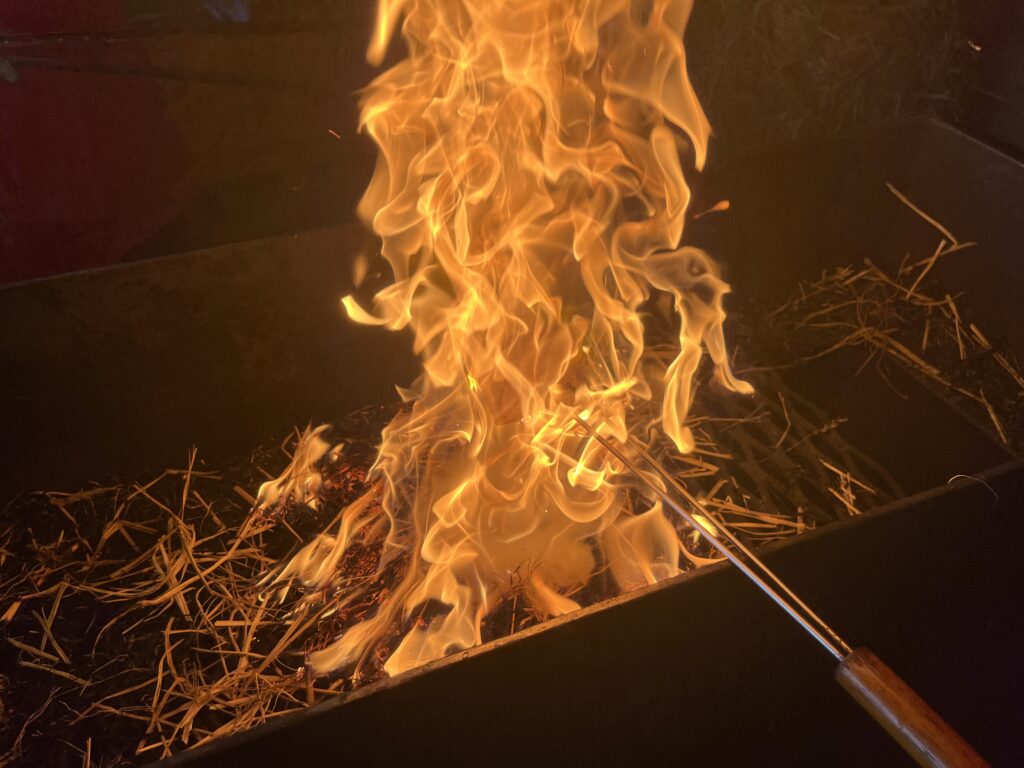
If a guest has a little extra time — or if the ship is only in port for a few hours — there’s a spot I send people to that most visitors never find: Tosa Tataki Dojo, just five minutes by car from Kochi Port. It’s less a restaurant than an actual classroom for searing katsuo, run by staff who’ve been doing this for decades.
I’ve done the lesson myself, taught by one of the veteran craftsmen there, and the technique is stricter than you’d expect. You sear the skin side first, holding it over the flame until it turns crackly and golden. Then comes the part that surprised me most: you flip it exactly once. Just once — no fussing, no adjusting. Leave it over the fire too long after that and you don’t have tataki anymore, you have plain grilled bonito. Timing is everything, and the veterans can apparently judge it by sound and smell alone.
The fire itself is the secret. Burning straw flares up to somewhere between 800°C and 900°C (1,470–1,650°F) — hot enough that a single side only needs about one to two minutes, sometimes just a matter of seconds, to sear properly. That extreme heat does two jobs at once: it chars the tough skin into something smoky and crisp, while the inside barely notices the heat at all and stays rare. It’s a fast, violent blast of fire followed by an almost untouched interior — which is exactly what makes tataki taste the way it does.
Once it comes off the flame, the aroma alone is enough to make you hungry. Staff slice it fresh right in front of you and plate it, and then the real insider tip comes out: freshly seared tataki is still warm — close to body temperature — and the craftsman told me that’s exactly when you want to eat it with salt, not ponzu. Warm bonito and citrus-based ponzu don’t get along; the acidity turns sharp and almost unpleasant against the heat. But after a piece or two, as the tataki cools slightly, that’s your cue to switch to ponzu — the flavor balances out perfectly. Garlic, wasabi, and sliced onion, the classic garnishes, work well with either version, warm or cool.
It’s a small detail, but it’s the kind of thing that changes how you taste the dish entirely — and it’s not something you’ll read on a menu anywhere else.
Not a Fan of Raw Fish? You’re Still Covered
Katsuo no tataki is technically seared, not raw, but the center is still rare — and I know that doesn’t work for everyone. If raw or rare fish isn’t for you, that’s never a problem. Hirome Market has plenty to offer beyond bonito.
Start with Kochi-style gyoza. Compared to gyoza elsewhere in Japan, the wrapper here is remarkably thin — crisp and delicate on the outside, incredibly juicy inside. The filling strikes a perfect balance of pork and garlicky vegetables; it’s the kind of thing you keep eating without meaning to.
Then there’s karaage — Japanese fried chicken. Hirome Market’s stalls serve it with a range of different seasonings, and one or two pieces is never enough.
And don’t skip the croquettes — a hidden favorite among locals. The sweetness of the potato, the juiciness of the meat, and a crisp coating make for a perfect bite.
All three pair beautifully with a cold beer, and if you don’t drink, there’s no shortage of soft drinks either. This is the kind of detail most guides and travel sites never mention — but it comes up often enough on my tours that I always plan for it. There’s more to pair with katsuo tataki too, but I’ll save that for a future post.
Sample Half-Day Schedule
| Time | Activity |
|---|---|
| 8:00 | Pickup from port / hotel |
| 9:15 | Scenic mountain drive to the Niyodo River area |
| 10:00 | Kayak or SUP on the Niyodo River |
| 11:45 | Depart for central Kochi |
| 13:00 | Lunch at Hirome Market (katsuo no tataki and local specialties) |
| 14:30 | Stroll around central Kochi, with time for shopping if you’d like |
| 16:00 | Return to ship / hotel |
FAQ
Is this trip suitable for beginners? Absolutely — most guests are trying kayaking or SUP for the first time. The outdoor center also has English- and Portuguese-speaking staff on hand, so there’s nothing to worry about.
What if it rains? No problem at all. As an alternative, we can visit a local distillery that makes whisky and gin using Niyodo River water, or a nearby craft brewery — both come with beautiful mountain scenery of their own.
My ship is only in port for a few hours — is there a shorter option? Yes. For shorter port calls, I recommend skipping the river and heading straight to Tosa Tataki Dojo, just five minutes from Kochi Port, followed by a walk through central Kochi. It’s a great way to get an authentic, hands-on taste of the region without needing a full day.
Can this be combined with other Kochi activities? Yes — this half-day itinerary can be adjusted or combined with other Kochi experiences depending on your schedule. Get in touch to build a custom plan.
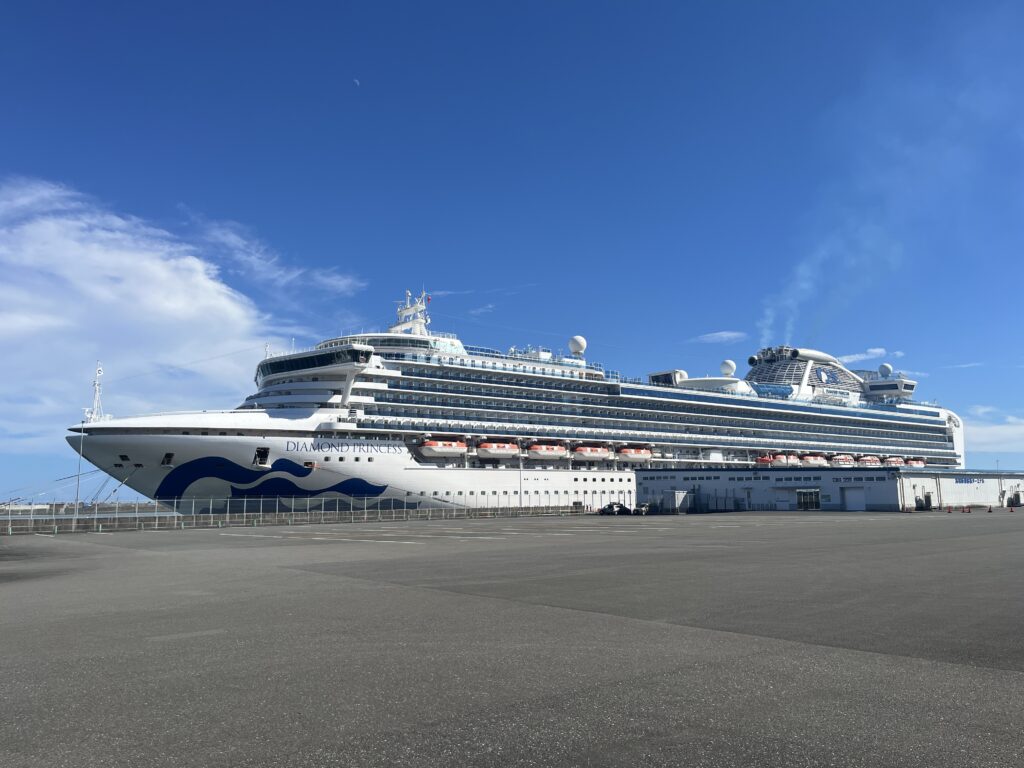
Want to experience the “miracle” waters of the Niyodo River and taste real Kochi cuisine, without the crowds of a typical bus tour? [Message me on WhatsApp] to start planning your private Kochi excursion.