Beautiful Cherry Blossom Scenery in Kagawa
Kurokawa
Attractive Trip in Shikoku
Hello to everyone planning a trip to Japan!
Japan’s tourism industry has been steadily recovering since the pandemic, and in 2025, the number of international visitors surpassed 40 million for the first time in history. The momentum shows no signs of slowing down. Even here in Kagawa, where I live, it’s become very common to see visitors who are clearly inbound tourists.
Takamatsu, the capital city of Kagawa Prefecture, has been gaining global attention. In fact, it ranked 17th in the “2020 Travelers’ Choice Best of the Best Destinations”, the only city in Japan to make the list. It is also recognized as a rare global hub for contemporary art, steadily building its reputation as an “art prefecture.”
But here’s a question:
Do you think that’s all Kagawa has to offer?
Cities like Takamatsu, Fukuoka, and Kanazawa — which have been rising in popularity — certainly offer plenty to see, great food, and enjoyable city walks. But here’s another question:
Do you think rural areas have nothing to offer?
The answer is: absolutely not.
In fact, there are countless hidden treasures — even ones that many locals don’t know about.
Let me introduce a few places, starting with some relatively well-known spots outside the city.
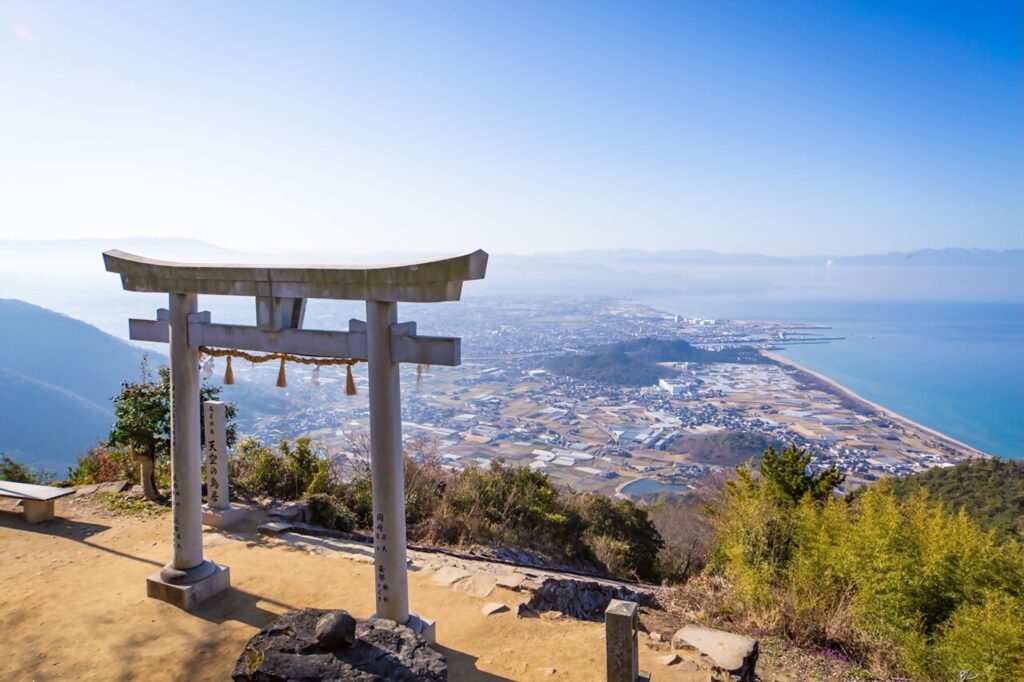
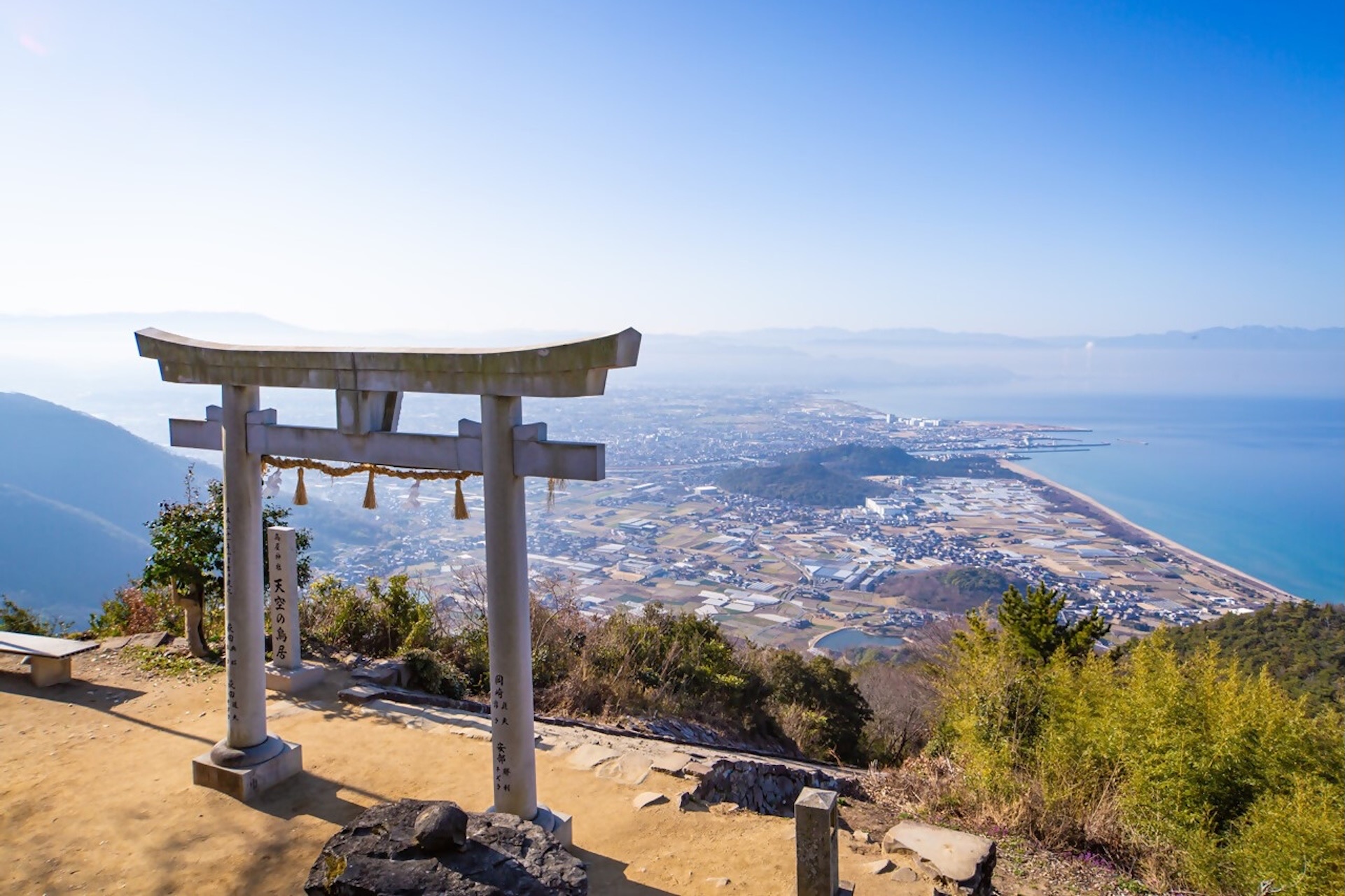
First is Takaya Shrine in Kanonji City. With a history of over 1,000 years, it has long been revered in Kagawa. Around 2018, photos of the breathtaking view through its torii gate went viral on Instagram, earning it the nickname “Torii Gate in the Sky.” It quickly became extremely popular. If you plan to visit, timing is crucial — the season, day of the week, and time of day all matter. If you’re interested, feel free to contact me for details.
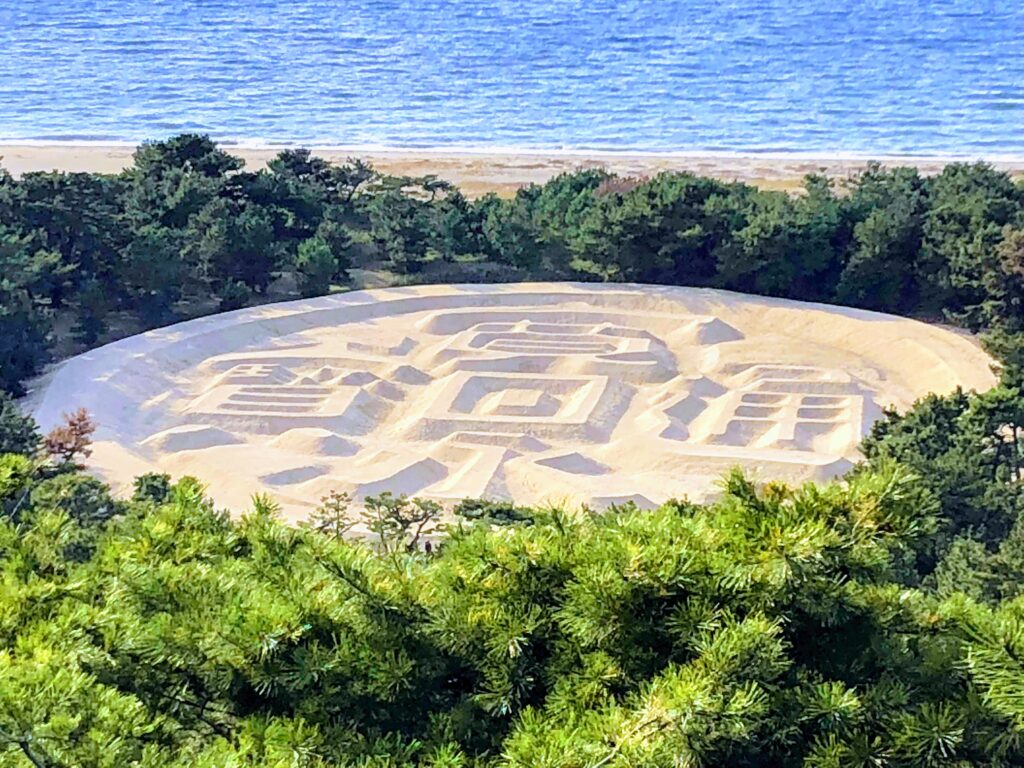
Next is another famous spot in Kanonji: the Zenigata Sunae. This massive sand sculpture resembles an ancient coin inscribed with the characters Kan’ei Tsuho. From ground level, you can’t really grasp its shape, but when viewed from above — much like the Nazca Lines in Peru — the full design becomes clear.
It is viewed from the summit observation deck of Mt. Kotohiki, and interestingly, the shape is slightly elliptical to ensure it appears perfectly circular from that angle. Considering that this was created during the Edo period, when samurai still walked the land, the level of effort and ingenuity involved is truly astonishing.
Twice a year, in spring and autumn, a maintenance activity called “sunazarae” is carried out to restore the sand art. Participation usually requires membership in a specific group — and I happen to be one of those members. It’s a very special opportunity, but if you contact me, it may be possible for you to join this unique experience.
Let’s continue with another shrine.
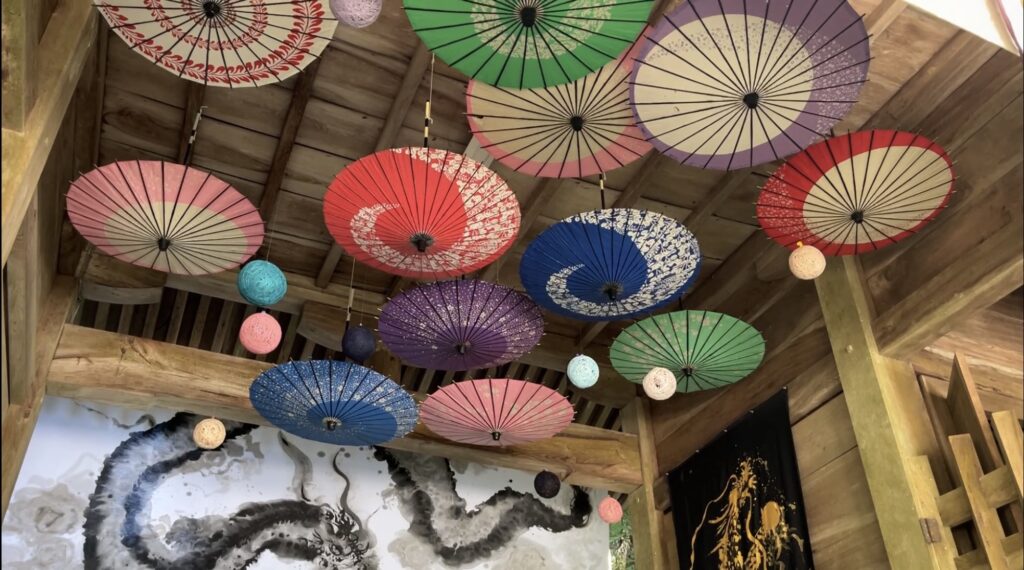
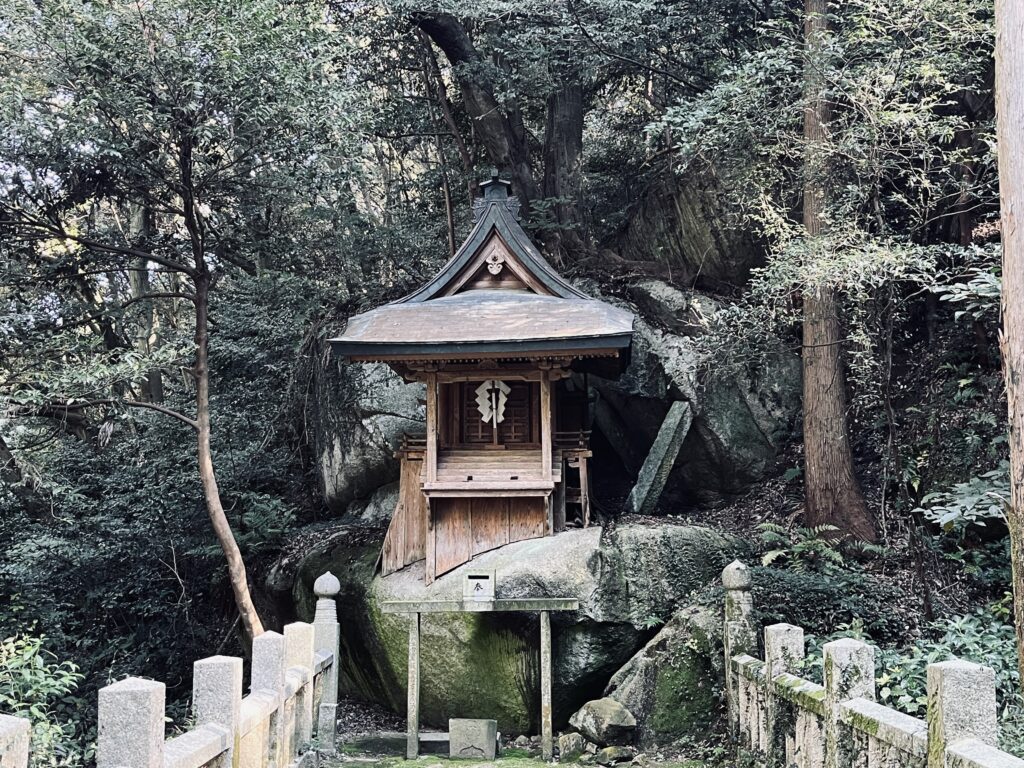
This one is located deep in a forest in a certain town. Traditional Japanese umbrellas hang at the entrance, and small shrines and altars are built atop large rocks, creating a mystical atmosphere — almost like stepping into a fairy tale or a scene from a Studio Ghibli film such as Princess Mononoke. At certain times of the year, there are bamboo decorations and light-ups, making it an ideal destination for those seeking photogenic spots. Best of all, it’s still largely unknown to international visitors.
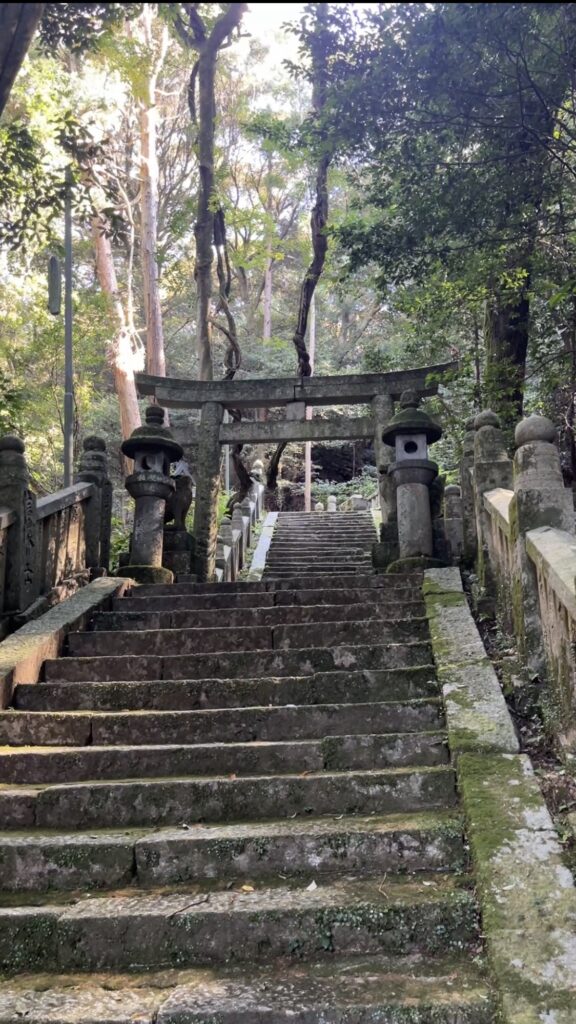
So, is there nothing in rural Japan?
Not at all. In fact, rural areas are where you’ll find some of the most breathtaking landscapes, unique culinary experiences, and heartwarming local gems that you simply can’t find in the cities.
I’ll definitely continue this series — stay tuned!