Inside a Takamatsu Bonsai Nursery: The Work Visitors Rarely See
Kurokawa
Attractive Trip in Shikoku
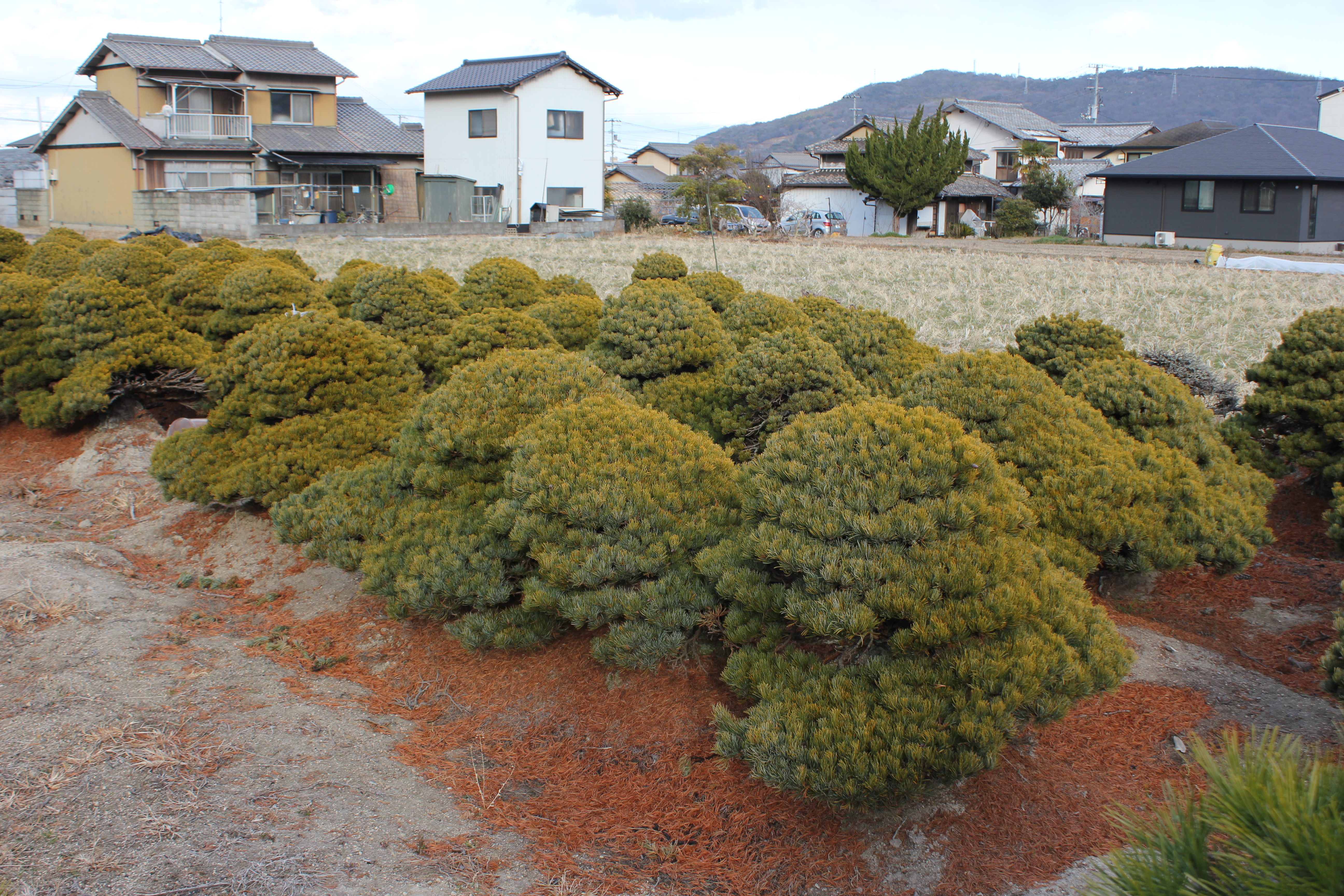
In my last post, I wrote about how long it takes to make a bonsai, and how some trees in Takamatsu have been growing longer than anyone who works with them has been alive. This post is about one of those trees, and about the people who kept it alive through the Second World War.
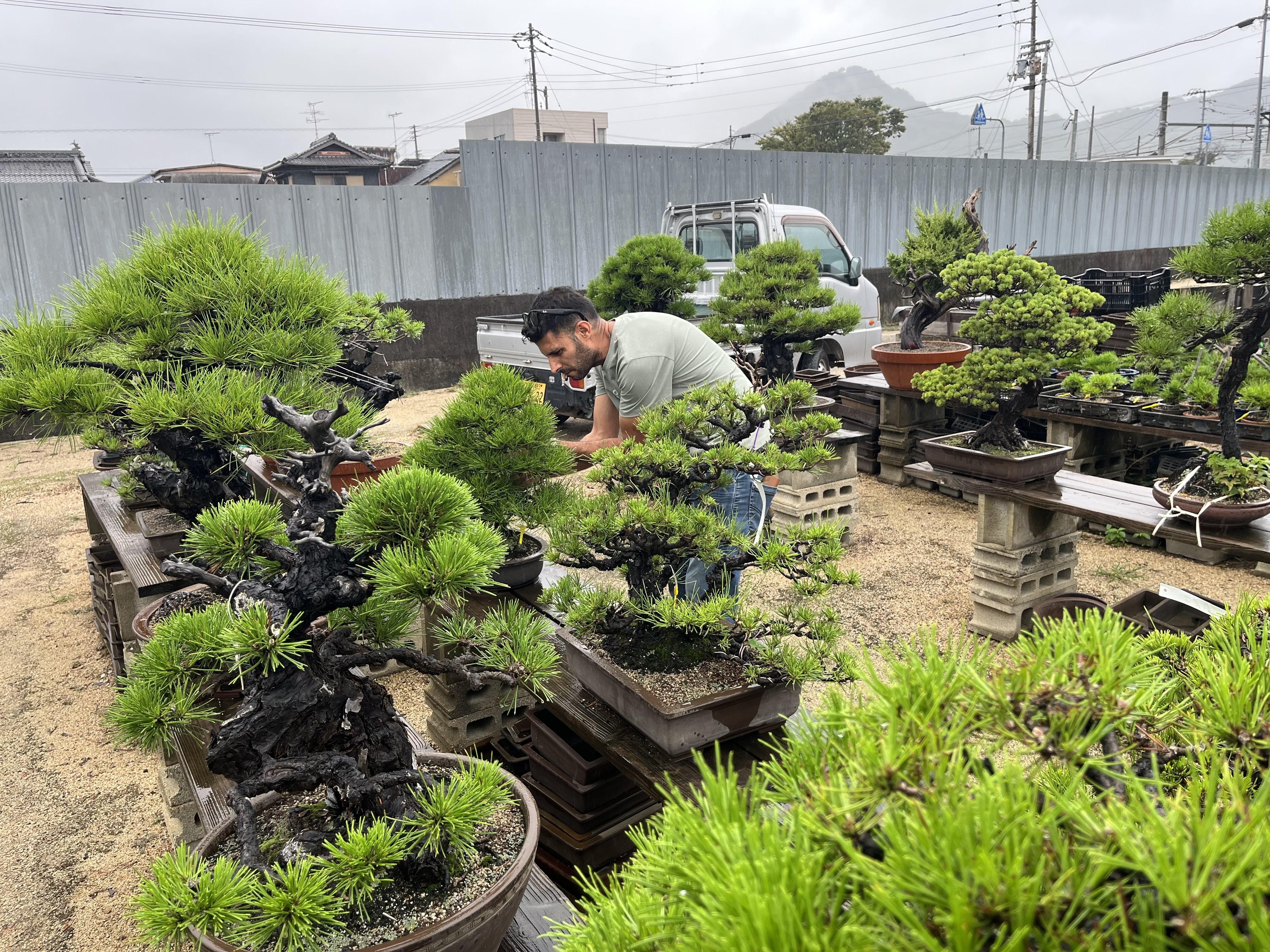
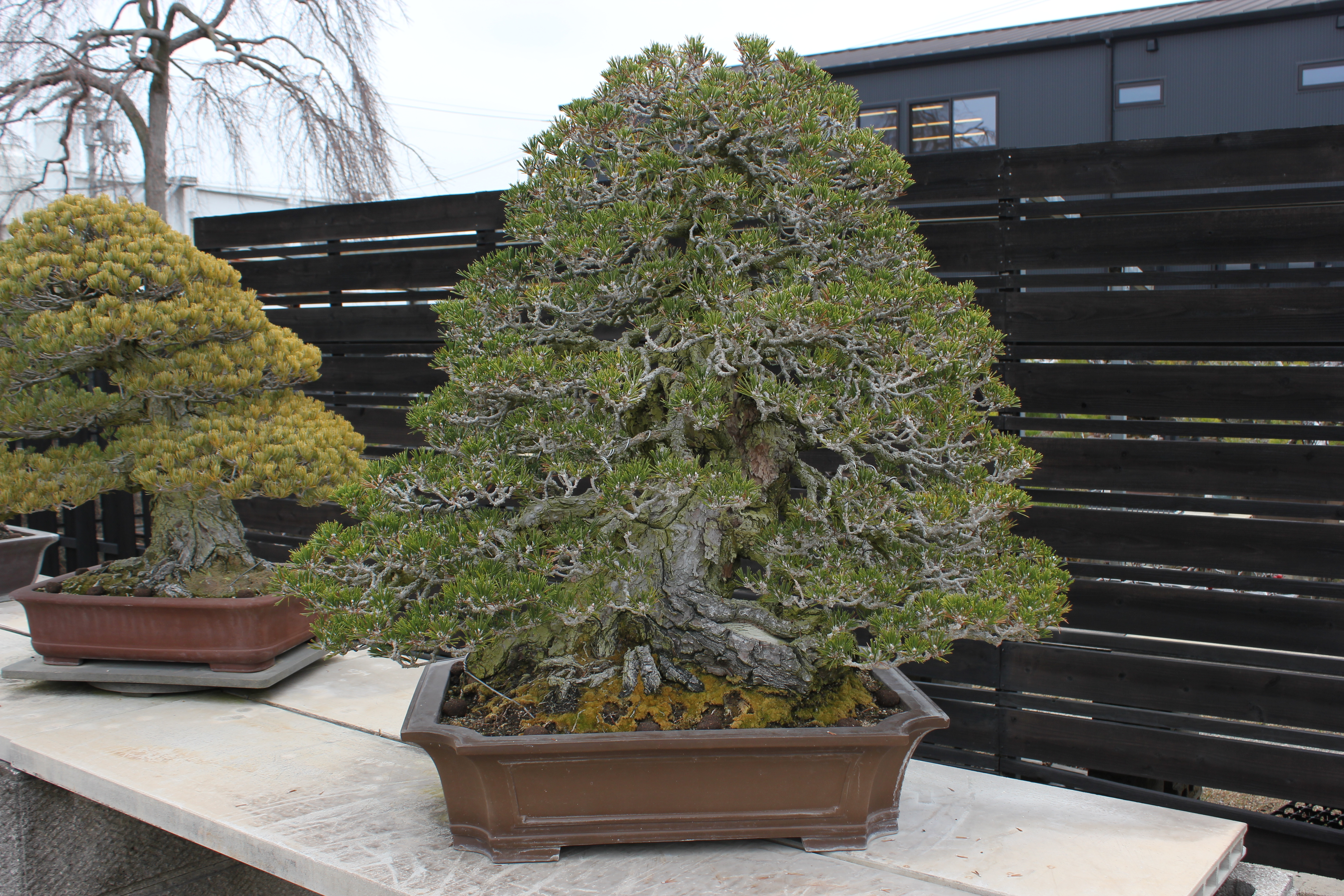
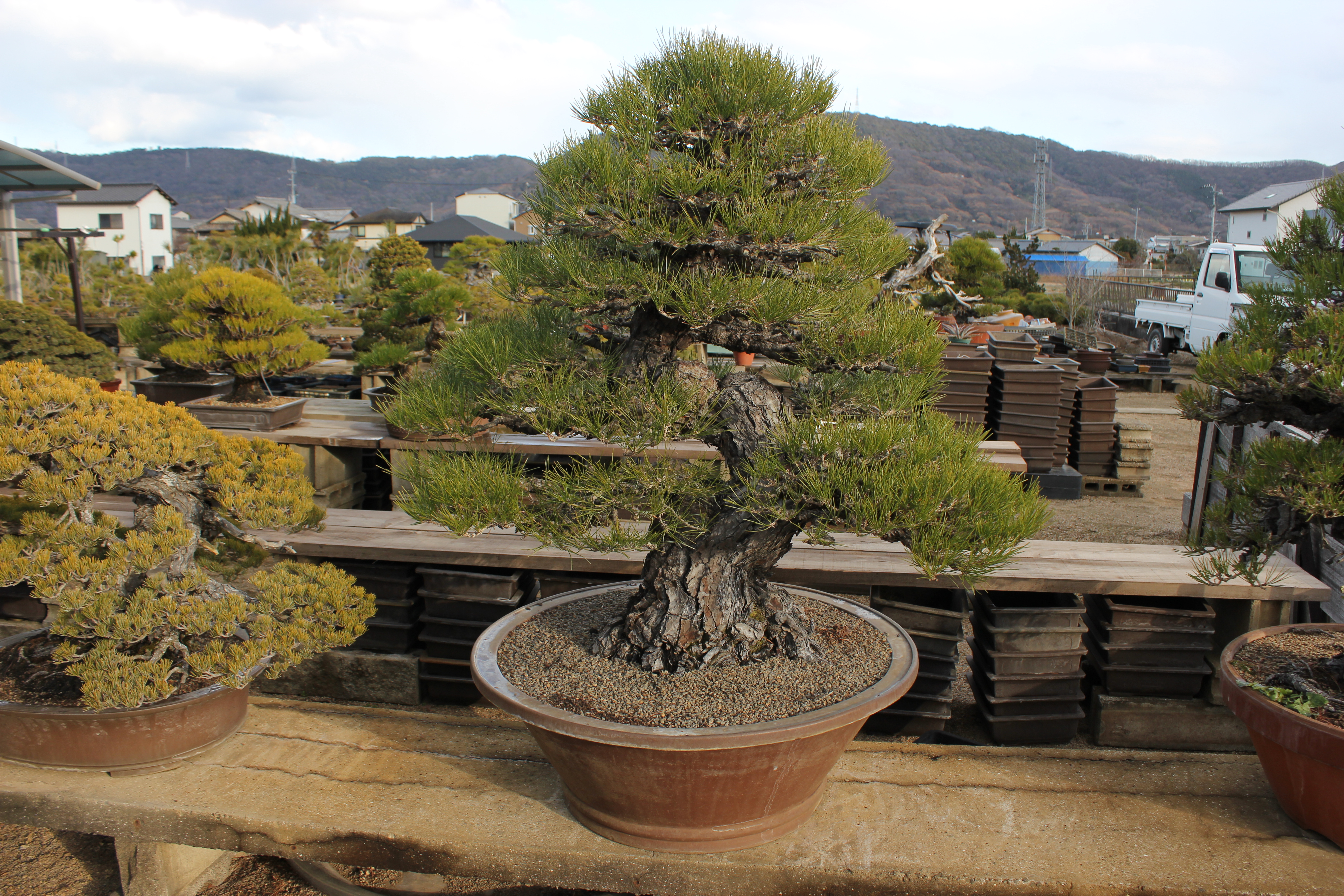
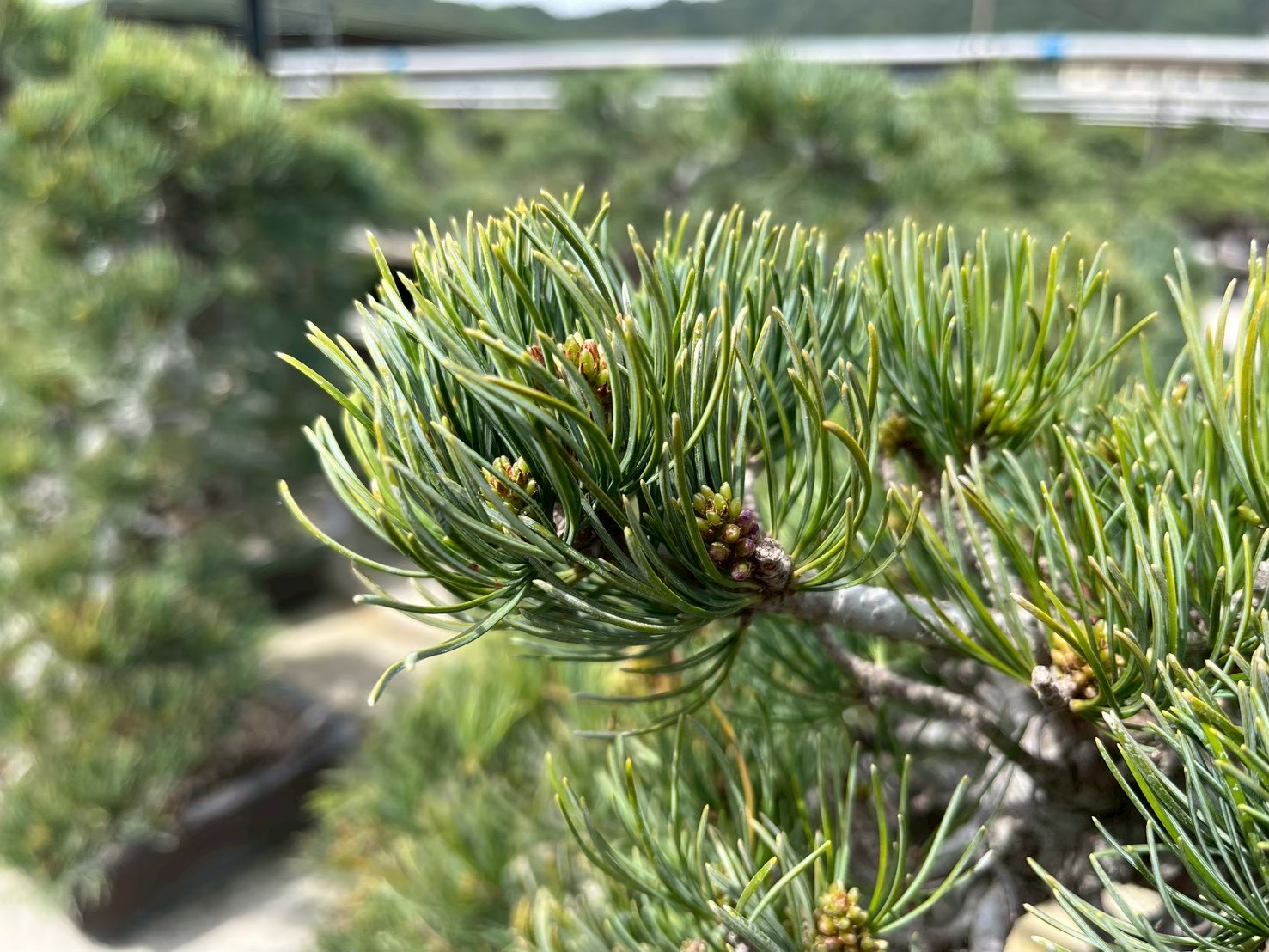
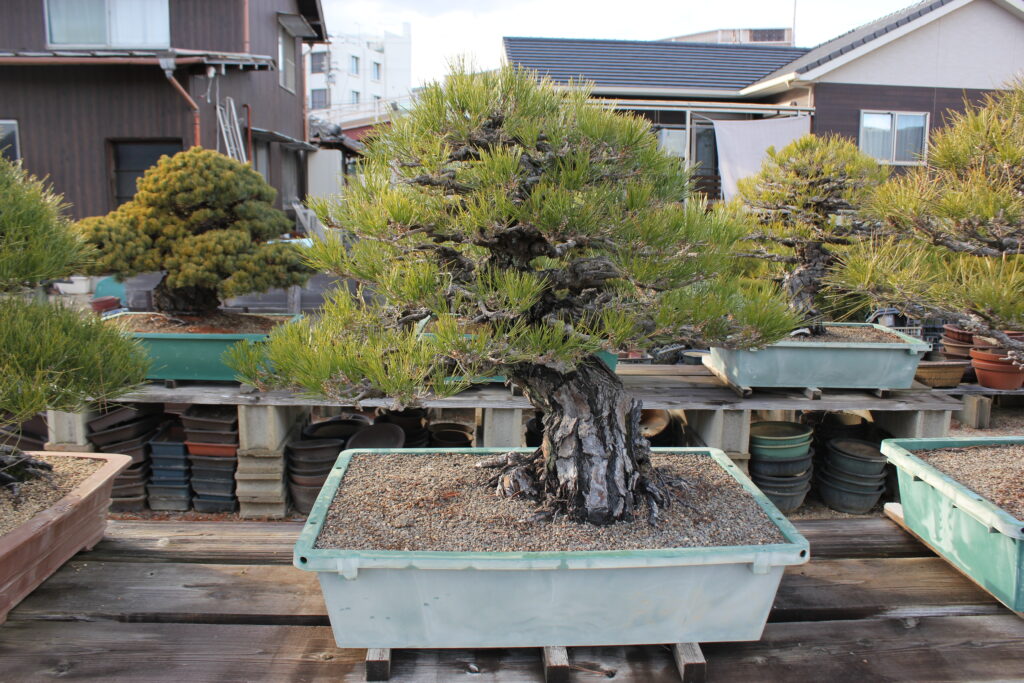
On the same day I first heard the story of shimagi, I visited Kitadani Yoseien, a nursery in Kinashi. Mr. Kitadani’s father showed me around the field, and among the thousands of pines, he pointed out a five-needle pine from before the war. The nursery estimates its age at 90 to 100 years.
That means the tree was already growing, still young, during some of the hardest years in Japan’s modern history. But as Mr. Kitadani’s father explained, its survival was far from guaranteed.
During the war, the government urged people to give up luxuries as the country devoted more and more of its resources to the war effort. “Luxury is the enemy” (zeitaku wa teki da) became one of the best-known slogans of the time.
According to Mr. Kitadani’s father, the family feared that their pines could be taken away, because bonsai were regarded as a luxury.
Pines faced a second danger. In the final years of the war, as Japan faced severe fuel shortages, the government launched a nationwide campaign to increase production of shōkon’yu (松根油), an oil extracted from pine stumps and roots for use as a substitute fuel. In October 1944, the government adopted an emergency plan to increase production, and older people, women, children, and students were mobilized for the work. As Mr. Kitadani’s father recalled, pines were being cut down all around, their stumps and roots dug up to be processed for oil.
For a family whose living depended on pines, both dangers were real.
So the Kitadani family hid them.
It was his parents’ and grandparents’ generation who did it. According to Mr. Kitadani’s father, they dug up every pine in their field and replanted them on a mountain the family owned, where the trees grew quietly, out of sight. They were desperate to protect them. Meanwhile, the field itself was put to wartime use, growing sweet potatoes instead of pines.
When the war ended, the trees were brought back down from the mountain and replanted in the field. The five-needle pine I saw that day is one of them.
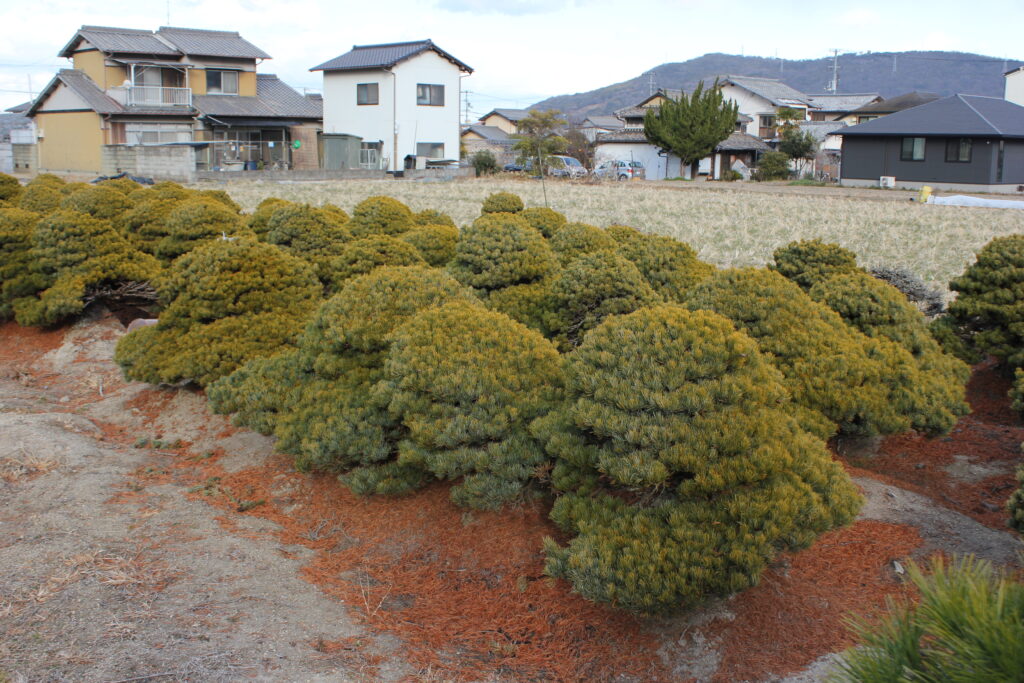
The mountains near Kinashi, where the Kitadani family reportedly hid its pines during the war Suggested filename: kinashi-mountains-near-nursery.jpg
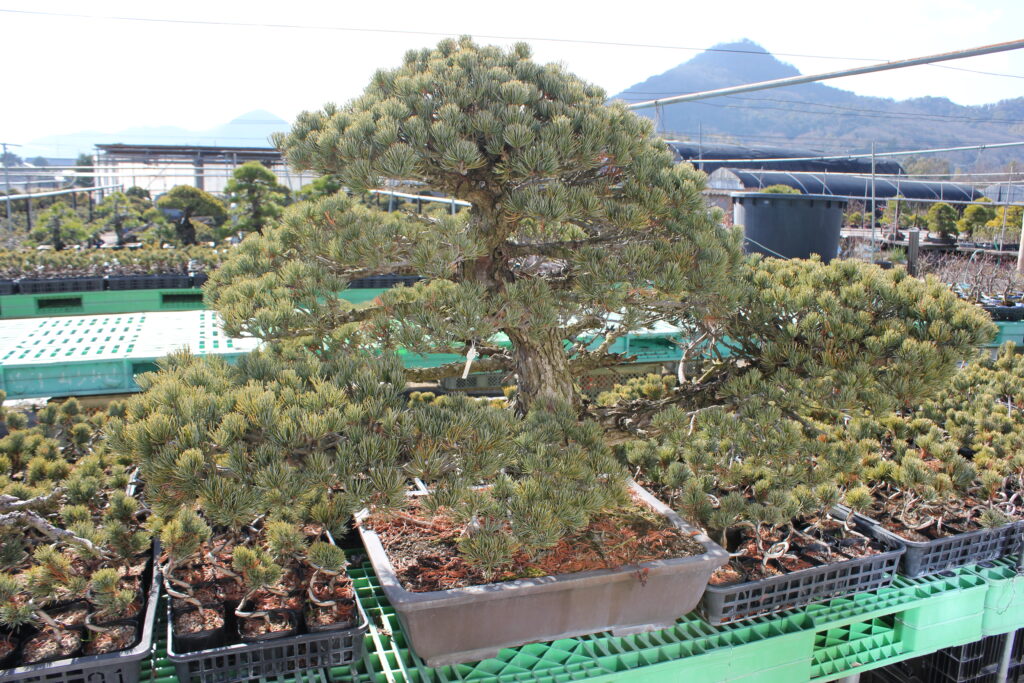
Standing in front of that pine, I thought about the previous post in this series. I’d written about trees planted by great-grandparents and passed down through generations. This tree adds something to that idea. Time alone didn’t make it old. People had to decide, at real risk and in a desperate moment, that it was worth saving.
There’s nothing on the tree itself that tells you this. It looks like any other old five-needle pine in the field. The story exists only because the family remembers it and is willing to tell it.
That’s one of the things I find most valuable about spending time in Kinashi. The history here isn’t only in museums or books. Some of it is still growing in the fields, and some of it is still being told by the people who inherited it.
If you’re walking through Kinashi and see an old pine, it’s worth asking what it has lived through. Not every tree has a story like this one, and not every grower will know. But some do, and hearing it from the family that kept the tree alive is something no display bench can give you.
In the next post, I’ll look at the pine varieties that were born here in Takamatsu, and the growers who gave them their names.
Source note: The account of how the Kitadani family hid their pines during the war, including the risk of confiscation and the use of the field for sweet potatoes, comes from a conversation with Mr. Kitadani’s father at Kitadani Yoseien, describing what his parents’ and grandparents’ generation did. It is the family’s own recollection rather than a documented record. The tree’s age is the nursery’s estimate. The pine root oil campaign is a documented part of Japan’s wartime history: a national plan to increase its production was adopted in October 1944.
Want to hear stories like this from the families who have cared for these trees across generations? I offer private bonsai experiences in Takamatsu, arranging visits to working nurseries and helping you understand the trees, their history, and the people who grow them, with explanations from the growers whenever possible. [Message me on WhatsApp] to arrange a private visit.